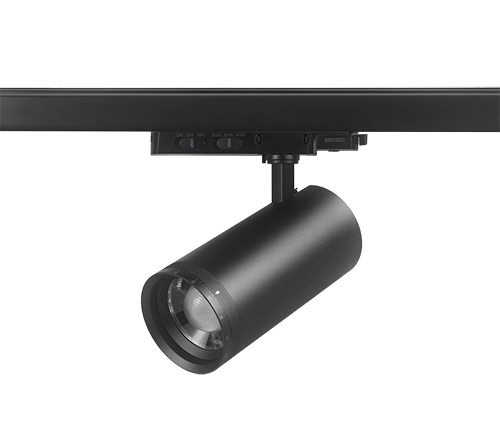
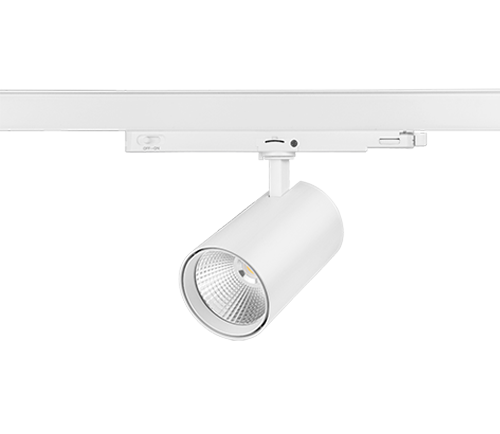
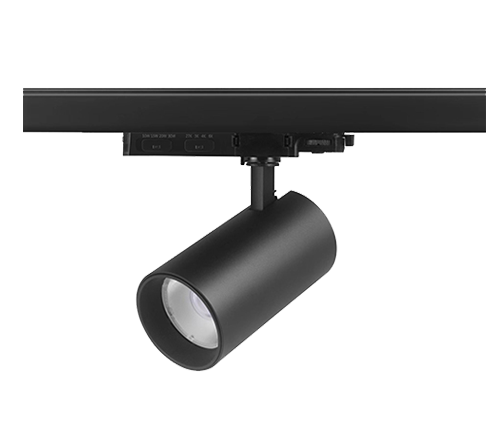
Professional LED Linear Track Light: 140lm/W, Power & CCT Switchable for Commercial Lighting Projects
A professional LED linear track light with selectable power and CCT offers a flexible solution for commercial environments. By combining multiple wattage settings, selectable correlated color temperature (CCT), a broad 80° beam angle and luminous efficacy of up to 140 lm/W, this type of luminaire can support a range of retail and commercial lighting requirements..
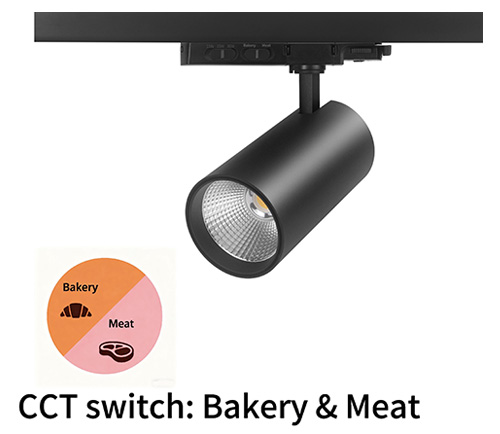
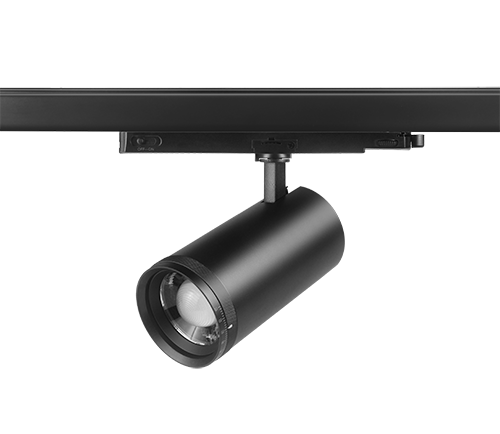
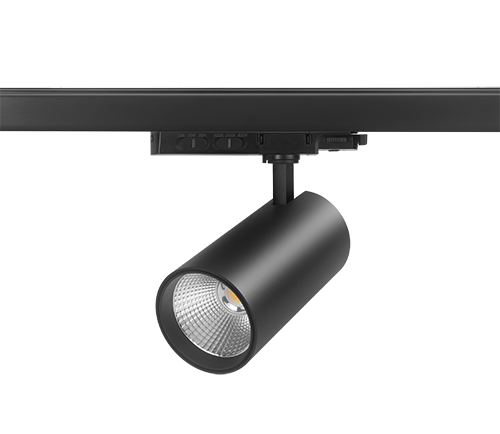
Pustlux offers a professional LED linear track light range with selectable wattages, 3000K, 4000K and 5000K CCT options, and CRI 80 and CRI 90 versions. The range is designed for commercial lighting applications where light distribution, color quality and configuration flexibility are important considerations.

This guide explains how to select a linear track light for commercial projects, how to evaluate 140 lm/W luminous efficacy and an 80° beam angle, how to compare CRI 80 and CRI 90, and what B2B buyers should check before placing an order.
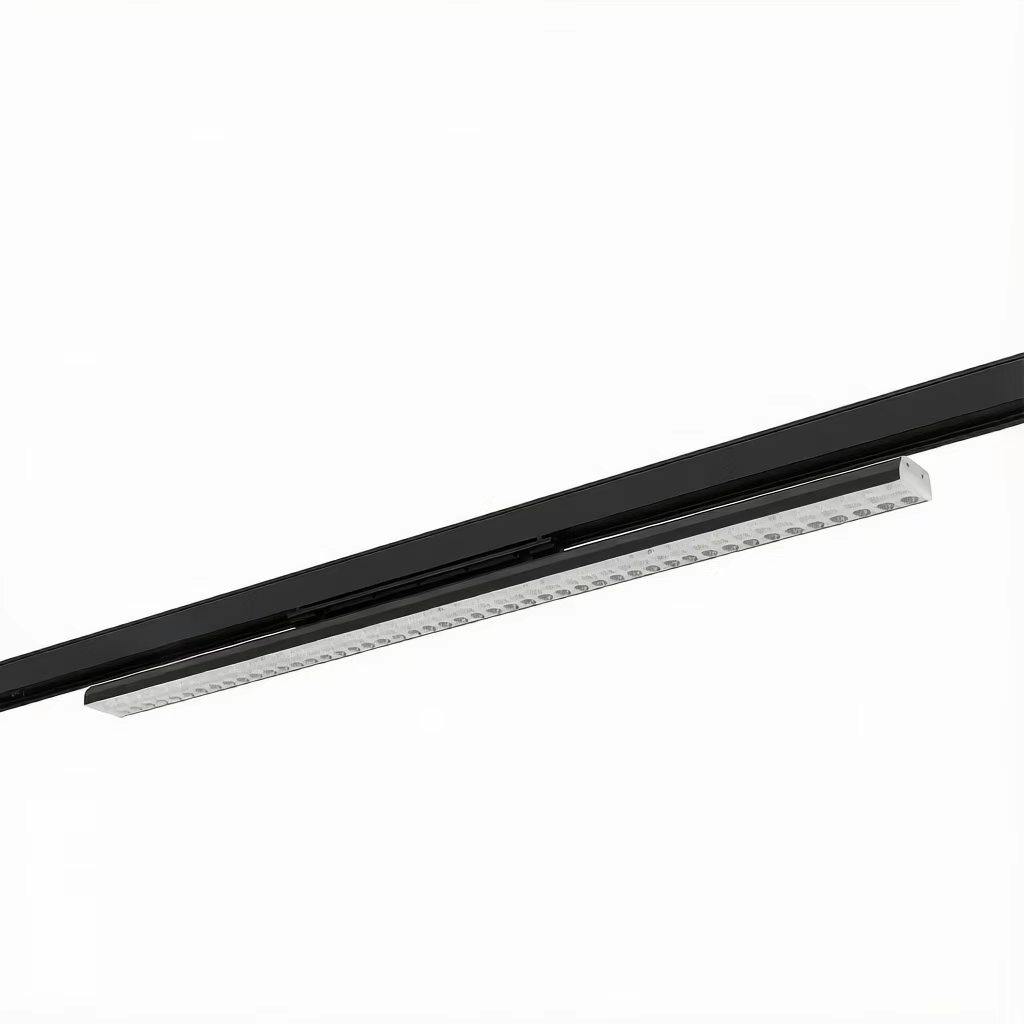
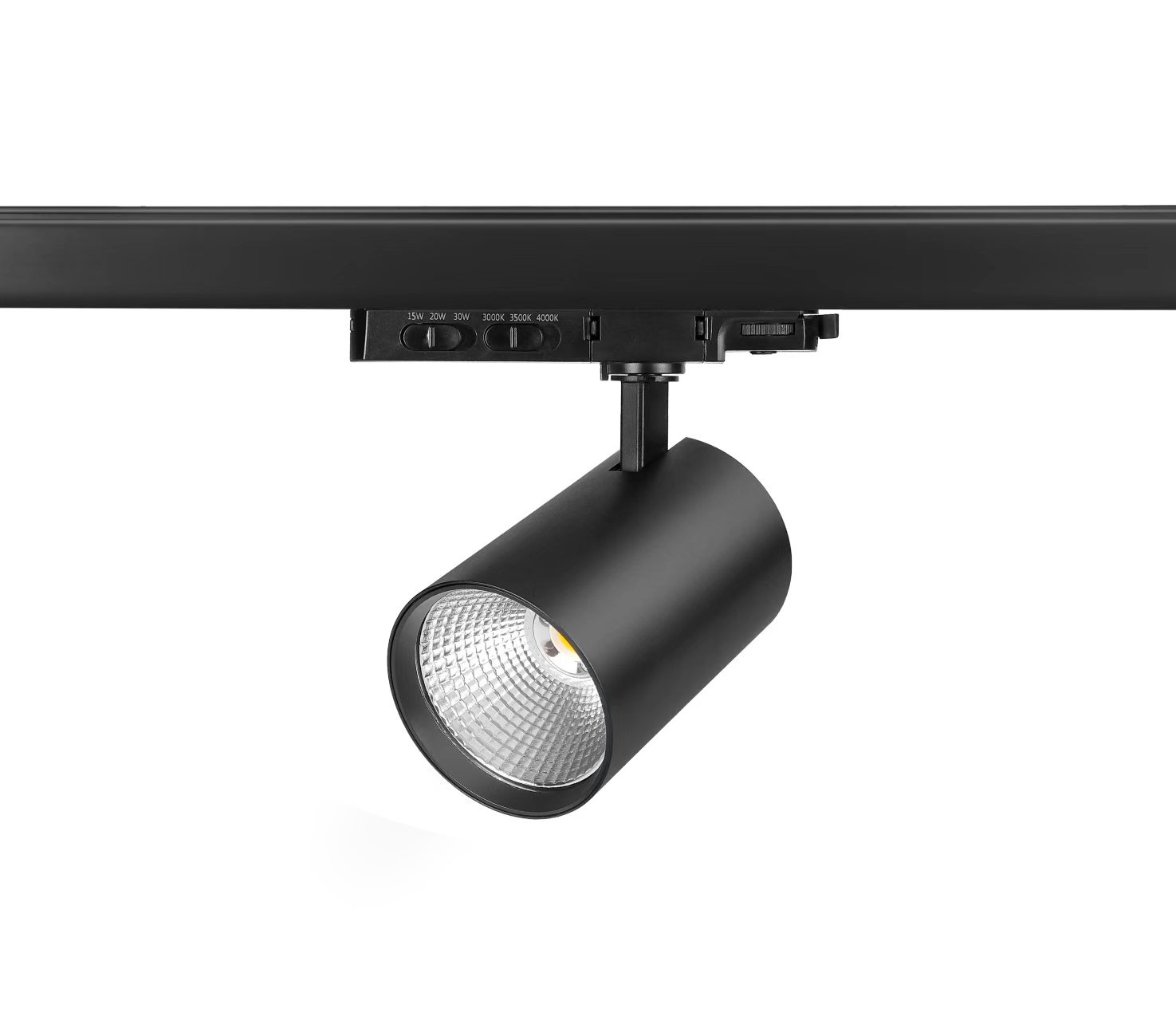
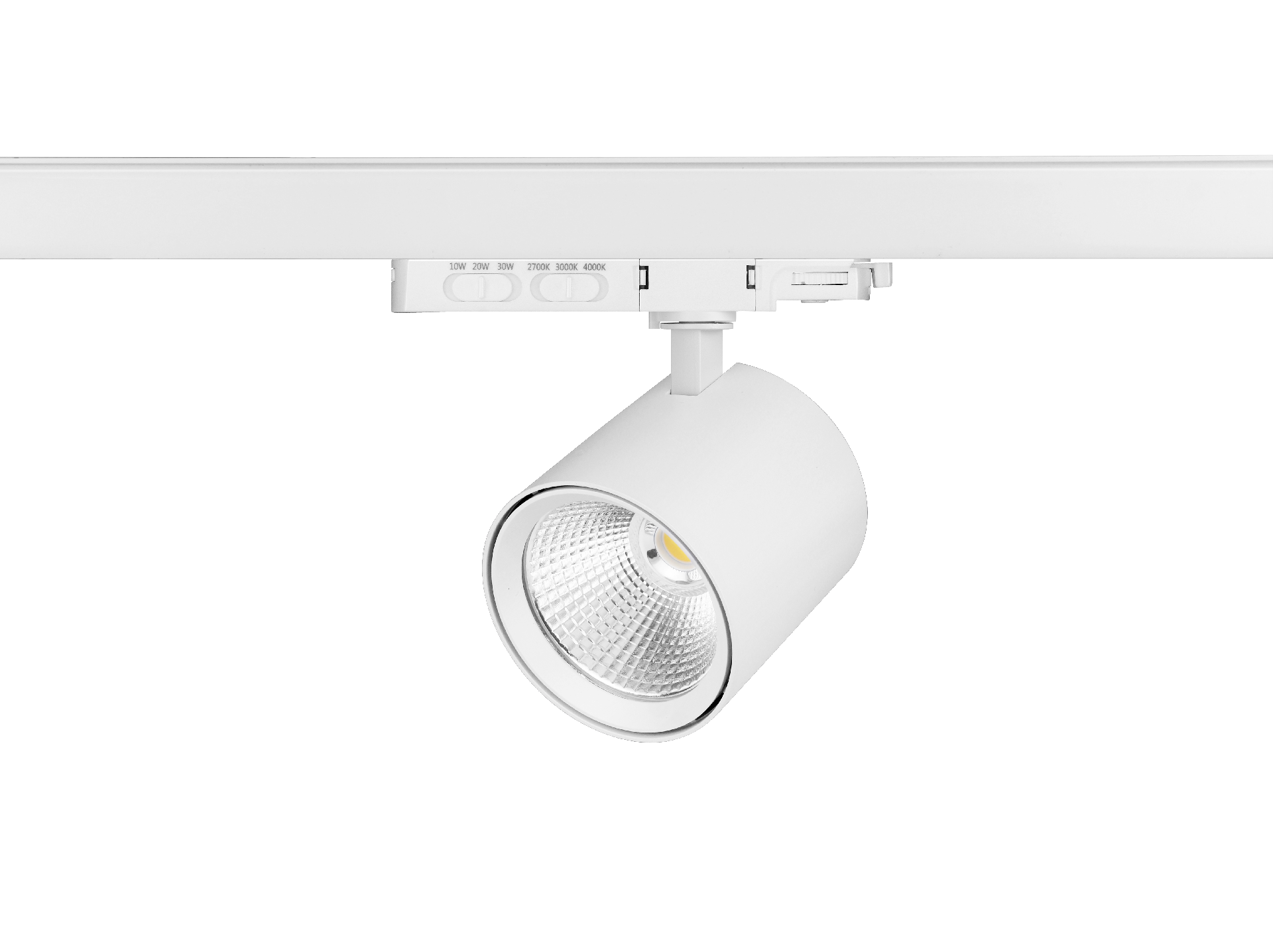
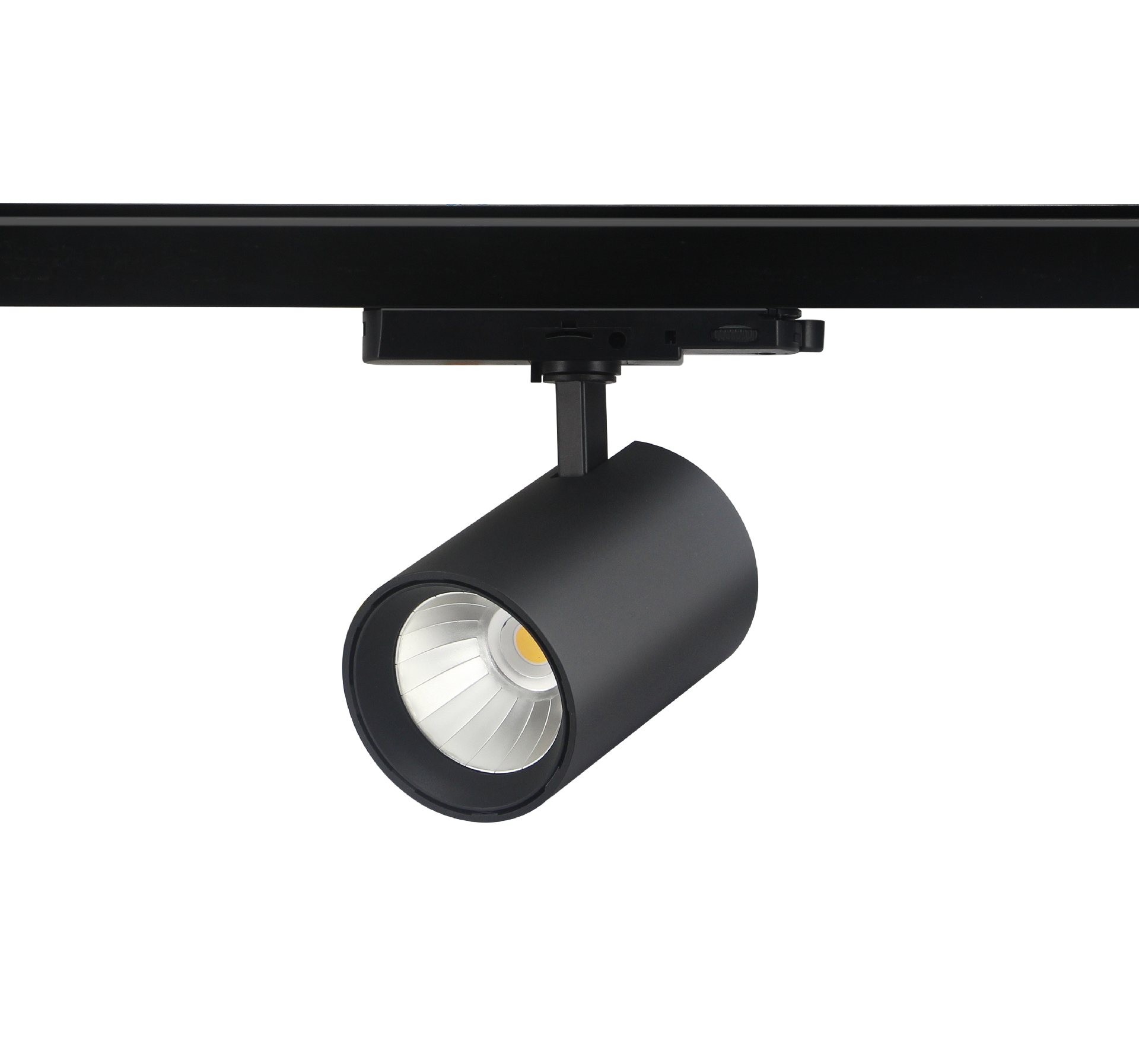
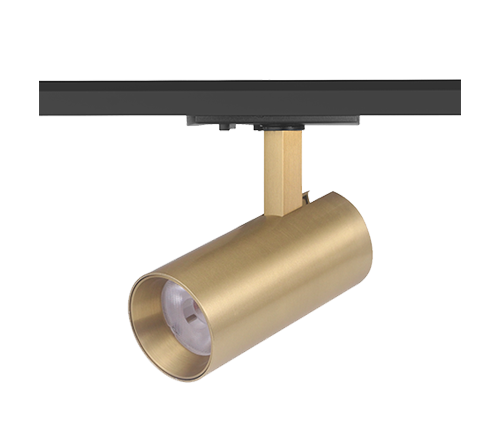
A professional LED linear track light is an LED luminaire designed to provide relatively broad light distribution within a track lighting system. Compared with a conventional led track spotlight, which is commonly used to emphasize individual products or architectural features, a linear track light is often used to illuminate wider areas such as retail sales floors, product shelves, commercial aisles, showrooms and open display spaces.
The track-mounted design allows the luminaire to be integrated into a compatible track system. Depending on the track configuration, the lighting layout can be planned around the room's geometry, ceiling arrangement and functional zones.
For commercial applications, a linear track light must meet several requirements simultaneously. It should provide suitable luminous output, appropriate light distribution, acceptable color rendering and reliable electrical performance. It must also be compatible with the intended track system, led CCT track lights and any specified lighting controls.
1.1 How Does a Linear Track Light Work?
A linear track light uses an LED light source, driver and optical TRACK system to produce and distribute light. Its performance depends on the LED configuration, optical design, electrical power, mounting height and installation spacing.
When several led track luminaires are installed along a track, they can create a coordinated lighting arrangement across a commercial space. This can be useful where a project requires broader illumination rather than concentrated beams directed at individual objects.
However, the term linear track light does not automatically guarantee a particular distribution or illuminance level. Different products can have different optical designs, fixture dimensions and output characteristics.
Here are some datas lighting buyers may need to evaluate:
Luminous efficacy: How much light the complete luminaire produces per watt of electrical power.
Beam angle: The angular distribution of light from the luminaire.
Selectable wattage: The available power settings within the product.
Selectable CCT: The available white-light color temperatures.
Color rendering: Whether CRI 80, CRI 90 or another specification is required.
Track compatibility: Whether the adapter and electrical configuration match the installation.
Control compatibility: Whether dimming or other control functions are required and supported.
These factors help determine whether a linear track light is suitable for a specific commercial lighting project.
Linear track lights and conventional track spotlights often serve different functions within the same lighting design.
| Feature | LED Linear Track Light | CCT LED Track Spotlight |
| Primary Role | general or broad-area illumination | accent and directional lighting |
Lighting distribution
| relatively broad, depending on optics | often more concentrated |
| Common applications | sales floors, aisles, open commercial spaces | feature products, mannequins, artwork and display walls |
| Main selection factors | Wattage, effieiency, beam angle, CCT & CRI | Wattage, beam angle, aiming flexibility and CRI |
| Contribution to a lighting scheme | establishes a broader layer of illumination | creates visual emphasis and contrast |
Different lighting products bring various lighting solutions. The two products are therefore not necessarily competitors. Their value depends on the role they play in the overall lighting design.
2. Why Choose a Power and CCT Switchable LED Linear Track Light for Commercial Lighting?
Traditional fixed-output luminaires are configured for a particular wattage and CCT. If a project requires a different output level or white-light appearance, the buyer may need to stock more another model.
But the power and CCT switchable linear track light provides multiple settings within a specified product design. This allows the selected configuration to be matched more closely to the lighting requirements, subject to the model's available settings and adjustment procedure.
For B2B lighting buyers, three benefits deserve particular attention: project flexibility, simpler product planning and more adaptable stock management.
2.1 Selectable Wattage for Different Lighting Requirements
Commercial spaces do not all require the same light output. A high-ceiling sales area, a smaller retail zone and a secondary aisle may have different illuminance targets and fixture-spacing requirements.
Pustlux offers two linear track light configurations:
These selectable wattages give lighting designers and contractors multiple settings to consider within the respective product ranges.
For distributors, selectable wattage can make a product family more adaptable to different customer requirements. For project contractors, it provides another option when coordinating procurement with the approved lighting design.
2.2 3CCT Selectable: 3000K-4000K-5000K
Correlated color temperature describes the appearance of white light. Lower values generally appear warmer, while higher values appear cooler.
The Pustlux linear track light range offers three CCT options: 3000K, 4000K and 5000K.
| CCT setting | General appearance | Potential applications |
| 3000K | Warm white | Boutiques, lifestyle retail and warm interior schemes |
| 4000K | Neutral white | general retail, showrooms and commercial interiors |
| 5000K | Cool white | selected commercial or display environments requiring cooler white light |
These are general application guidelines, not universal rules. The appropriate CCT depends on the interior materials, brand identity, merchandise, ambient lighting and project specification.
Selectable CCT is particularly useful when a project requires flexibility during specification or installation. However, buyers should confirm how the CCT is selected, whether the switch remains accessible after installation and whether changing the setting requires removing the fixture from the track.
CCT selection is not the same as dimming. CCT changes the appearance of white light, while dimming changes light output. If a project requires TRIAC, DALI-2, 0–10V or another dimming method, compatibility must be confirmed separately for the specific model and driver.
2.3 How Power and CCT Selectability Can Simplify Procurement
A fixed-output product range may require separate SKUs for different wattage and CCT combinations. A selectable product can consolidate some of these combinations into fewer physical product models.
While a selectable design may reduce the number of separate physical models required, depending on how the manufacturer structures the product range. This can simplify certain inventory decisions and reduce the need to forecast demand for every individual combination.
For wholesalers and distributors, the practical objective is to determine whether selectable products can cover more customer requirements with a manageable number of stocked models.
3. Product Specifications: Pustlux Professional LED Linear Track Light
The Pustlux linear track light range combines selectable wattage and CCT with an 80° beam angle and luminous efficacy of up to 140 lm/W. It includes CRI 80 and CRI 90 versions for different commercial lighting requirements.
3.1 Linear Track Light Specification Table
| Specification | CRI 80 Version | CRI 90 Version |
| Adjustable wattage | 30W-35W-40W-45W | 45W-50W-55W-60W |
| 3CCT adjustable | 3000K-4000K-5000K | 3000K-4000K-5000K |
| Luminous efficiency | up to 160lm/w | up to 140lm/w |
| Beam Angle | 80° | 80° |
| Tilting | 30° | 30° |
| Typical consideration | general commercial lighting | applications with higher color-rendering requirements |
A higher-wattage fixture may produce more light, but it may not be the most suitable option for a space that needs controlled, uniform illumination. A high-efficacy fixture may reduce power requirements, but the light distribution must still meet the project's needs.
For B2B buyers, the most reliable approach is to compare the complete technical specification and evaluate each product against the actual application.
4. CRI 80 vs CRI 90 Linear Track Light: Which Is Better?
Color rendering is an important consideration in retail and commercial lighting, especially where customers need to evaluate merchandise, materials or finishes under artificial light.
The Color Rendering Index (CRI) is a metric used to describe how accurately a light source renders colors compared with a reference under specified conditions.
Pustlux offers CRI 80 and CRI 90 versions to help buyers select a configuration according to the project's color-rendering requirements.
4.1 When Is CRI 80 Suitable?
CRI 80 may be suitable for many general commercial lighting applications where the project specification permits it.
Potential applications include general sales-floor illumination, circulation areas and selected commercial spaces where the main requirements are adequate output, appropriate distribution and compliance with the project brief.
CRI 80 should not automatically be regarded as the cheapest or most efficient choice. The buyer should compare the complete luminaire price, luminous efficacy, luminous flux, installation requirements and required fixture quantity.
4.2 When Should You Consider CRI 90?
CRI 90 is worth considering where color appearance is a more important part of the customer experience.
Potential applications include:
Fashion retail: Clothing colors and fabric details can affect how customers evaluate products.
Showrooms: Materials, finishes and product colors may need to appear more faithfully.
Selected cosmetics and lifestyle retail: Color appearance may influence product presentation.
Premium commercial interiors: The project specification may require higher color rendering.
A higher CRI does not guarantee perfect color reproduction. CRI is a summary metric, and perceived color also depends on the light source's spectral distribution, the illuminated material and the surrounding lighting environment.
For applications with strict color-rendering requirements, buyers should review relevant color data and, where practical, assess the actual luminaire using representative materials.
4.3 How to Balance CRI, Efficacy and Cost
When comparing CRI 80 and CRI 90 linear track lights, procurement teams should evaluate the following factors:
The required CRI in the project specification.
The luminous flux and efficacy of the exact product configuration.
The number of luminaires needed to achieve the target illuminance.
The fixture price and total installed cost.
The required CCT, distribution and track compatibility.
Any additional color-rendering or control requirements.
A CRI 90 fixture is not automatically brighter or more efficient than a CRI 80 fixture. Similarly, a lower-priced fixture may not provide the best total value if more luminaires are needed to meet the lighting design.
A model-by-model comparison helps distributors and contractors make decisions based on measurable performance rather than a single specification.
5. How to Select the Right Wattage for Commercial Projects
The correct wattage depends on the lighting design rather than the application name alone. A 40W fixture may be suitable for one sales floor but insufficient or excessive for another space, depending on its dimensions, mounting height, surface reflectance and required illuminance.
5.1 Selecting from the 30W–45W CRI 80 Range
The Pustlux CRI 80 version offers selectable settings of 30W, 35W, 40W and 45W.
These options provide a range of power settings for projects where CRI 80 meets the specification. The final selection should be based on the fixture's measured output and the project's photometric requirements.
A lower setting may be suitable where the luminaires are mounted lower or installed closer together. A higher setting may be needed where greater output is required, but this should be confirmed through calculation.
5.2 Selecting from the 45W–60W CRI 90 Range
The CRI 90 version offers selectable settings of 45W, 50W, 55W and 60W.
This configuration provides additional power options for projects that require CRI 90 and a suitable level of light output. Potential applications include selected retail areas and showrooms where both color rendering and output are important.
However, the highest wattage should not be selected automatically. The correct setting is the one that meets the required lighting performance without unnecessary power consumption or excessive brightness.
5.3 Why Lighting Calculations Are Essential
Before finalizing a specification, the project team should review:
Required illuminance for the application.
Ceiling height and luminaire mounting position.
Fixture spacing and the size of the illuminated area.
Surface reflectance and the layout of shelves or displays.
Luminous flux at the selected wattage.
Photometric distribution and glare considerations.
Operating hours and lighting-control requirements.
An IES or LDT file, where available, can help the designer assess the proposed arrangement using lighting calculation software.
For commercial buyers, this information provides a more reliable basis for selecting fixtures than wattage alone.
6. Choosing the Right CCT for Retail and Commercial Lighting
Selectable CCT allows a lighting project to adapt the white-light appearance to its interior, merchandise and brand identity. The three Pustlux CCT adjustable options—3000K, 4000K and 5000K—provide flexibility for a range of commercial environments.
6.1 3000K: Warm White for Boutiques and Lifestyle Retail
3000K produces a warm white appearance and can be considered for boutiques, lifestyle retail and interiors designed around warmer colors and materials.
It may complement wood finishes, beige materials and warm decorative elements. However, the final selection should also account for the products being displayed and the desired brand atmosphere.
6.2 4000K: Neutral White for General Commercial Spaces
4000K produces a more neutral white appearance and is a common option for contemporary retail and commercial interiors.
It can be considered for sales floors, showrooms and other environments where a balanced white-light appearance is desired. The appropriate choice depends on the design brief and the surrounding materials.
6.3 5000K: Cooler White for Selected Applications
5000K produces a cooler white appearance and may be suitable for selected commercial or utility environments where the lighting specification calls for cooler white light.
It should not be assumed that 5000K automatically provides greater brightness or better energy efficiency than 4000K. Actual brightness depends on luminous output and distribution, while energy consumption depends on electrical power and operating conditions.
6.4 How Selectable CCT Supports Project Flexibility
The preferred CCT may change during project development after the interior finishes, merchandise or samples have been reviewed. A selectable-CCT product can provide an additional adjustment option if the required setting is available in the selected model.
Before installation, the contractor should confirm the chosen CCT with the lighting designer or project owner and document the setting. This helps maintain consistency across the installation and simplifies future replacement.
Buyers should also confirm whether the CCT switch can be accessed after installation and whether adjustment requires removing the luminaire from the track.

7. Commercial Applications of Professional LED Linear Track Lights
A professional linear track light can be considered for various commercial applications, provided its light output, distribution, CCT and color rendering meet the requirements of the space.
7.1 Clothing Stores and Fashion Retail
Fashion stores need lighting that supports merchandise visibility while maintaining the intended shopping atmosphere.
Linear track lights can provide broader illumination across the sales floor. A CRI 90 version may be worth considering where fabric colors and garment appearance are important to product presentation.
The selected CCT should complement the interior design and brand identity. Conventional track spotlights can be added to emphasize mannequins, feature walls and promotional displays.
7.2 Supermarkets and Commercial Aisles
Supermarkets require coordinated lighting across shelves, aisles and circulation routes. Linear track lights may be suitable where their optical distribution and installation arrangement meet the lighting design.
The designer should evaluate aisle dimensions, shelf heights, vertical illumination, uniformity and glare. Increasing wattage is not necessarily the right solution if the underlying problem is unsuitable light distribution.
Selectable wattage can offer flexibility when different output levels are needed, but the selected setting should always be checked against the photometric calculations.
7.3 Showrooms and Product Display Areas
Showrooms often combine broad-area illumination with accent lighting. Linear track lights can illuminate the wider space, while directional track spotlights emphasize selected products, finishes or architectural details.
CRI 90 may be appropriate where color appearance is important to product evaluation. Selectable CCT can help align the white-light appearance with the showroom's interior and merchandise.
The final configuration should be based on the project specification rather than assuming that one CCT or CRI level is suitable for every showroom.
7.4 Shopping Malls and Open Commercial Spaces
Large commercial areas require lighting decisions that account for ceiling height, fixture spacing, room geometry and visual comfort.
An 80° linear track light may be considered where its distribution suits the space. The designer should use photometric data to determine whether the proposed arrangement provides the required illuminance and uniformity.
For larger projects, lighting calculations and a review of the product datasheet are preferable to choosing fixtures based only on wattage and beam angle.
8. Linear Track Light vs Track Spotlight: Can They Work Together?
In many commercial spaces, linear track lights and conventional track spotlights are more effective when used together than when treated as alternatives.
Linear track lights can establish the general illumination layer, while spotlights add directional emphasis to selected merchandise and architectural features.
| Design requirement | linear track light | track spotlight |
| Broad-area illumination | often suitable | depends on beam angle and fixture arrangement |
| Accent lighting | sexondary role in many designs | commonly used |
| product highlighting | supports overall visibility
| directs attention to selected items |
| Visual hierarchy | establishes a wider illumination layer | adds focus and contrast |
| Key design consideration | wattage, efficiency, CCT and CRI | Beam angle, output and CRI |
The final arrangement should be based on the desired visual hierarchy, required illuminance, glare control and photometric performance of each fixture.
9. How Selectable Linear Track Lights Support B2B Inventory Management
For lighting importers, wholesalers and regional distributors, a product's commercial value includes more than its technical performance. Stock turnover, SKU complexity, demand uncertainty and the ability to serve different projects also influence purchasing decisions.
A fixed-wattage, fixed-CCT product range may require multiple SKUs to cover different configurations. A selectable product can consolidate some of these options into fewer physical models, depending on the manufacturer's product structure.
9.1 Reduce Separate Product Configurations Where Possible
Consider a product family with four wattage options and three CCT options. If every combination is sold as a separate fixed-output product, the range could contain 12 configurations.
A selectable design may make it possible to cover some of these combinations with fewer physical models. This can simplify stock planning and reduce the need to forecast demand for each individual configuration.
The actual benefit depends on the available settings, ordering codes, CRI versions, track adapters and other product variations. Buyers should calculate the potential SKU reduction from the manufacturer's actual product list.
9.2 Improve Flexibility for Project Quotations
Commercial lighting requirements can change during project development. A customer may revise the preferred CCT, or a contractor may need to adjust the selected wattage after reviewing the lighting calculations.
A selectable product can provide flexibility if the required settings are supported by the model and can be changed in accordance with the manufacturer's instructions.
For distributors, this may simplify discussions with customers who have different project requirements. For contractors, it can make coordination between procurement and installation teams easier.
9.3 What Distributors Should Confirm Before Stocking
Before consolidating configurations into a single stock item, verify:
Available wattage and CCT settings for each model.
Whether CRI 80 and CRI 90 are separate product codes.
Whether different adapters, finishes or electrical configurations require separate SKUs.
How settings are selected and verified.
Whether product labels and datasheets clearly identify the available options.
Applicable compliance documents and warranty terms.
Minimum order quantities, lead times and packaging requirements.
A selectable product is most useful when its configuration and documentation are clear. Accurate labeling and reliable technical support are important parts of an effective inventory strategy.
10. What Should B2B Buyers Check Before Ordering Linear Track Lights?
A professional supplier should provide enough technical information for buyers to evaluate whether the product meets their project's requirements.
10.1 Luminous Efficacy and Luminous Flux
Confirm the measured efficacy and luminous flux of the complete luminaire. If a supplier advertises up to 140 lm/W, ask which model and operating configuration achieve that value.
Photometric files, where available, can help the project designer assess light distribution and calculate fixture quantities.
10.2 Beam Angle and Light Distribution
Confirm the nominal beam angle and review the photometric data. An 80° beam angle may be suitable for broader illumination, but the result depends on mounting height, spacing and optical design.
Do not use beam angle alone to estimate the number of fixtures required.
10.3 CCT and Color Rendering
Verify the available CCT settings and whether the product meets the required CRI. For projects where merchandise color is important, consider whether additional color-rendering data or a sample evaluation is needed.
10.4 Track Compatibility and Electrical Configuration
Confirm the track system, adapter and electrical configuration. Not all track-mounted luminaires are compatible with every track rail.
Mechanical fit and electrical compatibility should both be checked before ordering.
10.5 Dimming and Lighting Controls
If dimming is required, confirm the supported control protocol and driver configuration. Selectable wattage and CCT do not automatically mean that a product supports TRIAC, DALI-2, 0–10V or another dimming method.
For projects with centralized lighting controls, the complete system should be checked for compatibility before the order is finalized.
10.6 Compliance, Warranty and Documentation
Request the relevant datasheet, installation instructions, compliance documentation and warranty terms. Requirements can vary according to the destination market, intended use and exact product configuration.
For European projects, buyers should verify that the offered model has the applicable conformity documentation for the intended market.
10.7 OEM and ODM Capabilities
For distributors developing their own product ranges, OEM and ODM services may be relevant. Discuss available branding, packaging, product configurations, minimum order quantities, lead times and quality-control arrangements with the manufacturer.
These details should be agreed before production to ensure that the delivered products, labels and documentation match the purchase order.
11. Frequently Asked Questions About Professional LED Linear Track Lights
Q1. Why professional LED linear track lights also matter in the lighting solutions?
A professional LED linear track light is a track-mounted LED luminaire commonly used for broader-area illumination in retail and commercial spaces. Its suitability depends on its output, optical distribution, electrical specifications and compatibility with the intended track system.
Q2. What does 140 lm/W mean in LED lighting?
A luminous efficacy of 140 lm/W means that a luminaire produces 140 lumens of light per watt of electrical power under the specified measurement conditions.
Q3. What is the benefit of an 80° beam angle?
An 80° beam angle indicates a relatively broad light distribution compared with a narrow-beam spotlight. It may be suitable for broader commercial illumination, depending on the installation and optical design.
The beam angle alone does not guarantee uniform lighting. Mounting height, fixture spacing, luminous flux and photometric distribution also matter.
Q4. What is the difference between CRI 80 and CRI 90 linear track lights?
CRI 80 may be suitable for general commercial applications where the specification permits it. CRI 90 is worth considering where color appearance is more important, such as selected fashion retail environments and showrooms.
The final decision should also consider efficacy, output, cost and the project's color-rendering requirements.
Q5. What CCT should I choose for commercial lighting?
3000K produces a warm white appearance, 4000K produces a neutral white appearance and 5000K produces a cooler white appearance.
The appropriate CCT depends on the interior design, merchandise, brand identity and project specification. No single CCT is best for every commercial space.
Q6. Does a higher wattage always mean a brighter linear track light?
No. Wattage measures electrical power consumption, while luminous flux measures total light output. Luminous efficacy expresses the relationship between the two.
Buyers should compare actual lumen output, efficacy and photometric distribution before selecting a wattage.
Q7. Can power and CCT selectable linear track lights be dimmed?
That depends on the specific model and driver configuration. Power selection, CCT selection and dimming are separate functions. If dimming is required, confirm the supported protocol and control-system compatibility before placing an order.
Q8. How can selectable power and CCT help lighting distributors?
Selectable settings may allow a product family to cover more project requirements with fewer separate physical models. This can simplify certain stock-planning decisions and reduce the need to maintain every wattage and CCT combination as a separate SKU.
The actual benefit depends on the manufacturer's product structure, customer demand and ordering arrangements.
Q9. Is a linear track light suitable for every commercial space?
No. A linear track light may be suitable for broader-area illumination, but the final choice depends on the required illuminance, light distribution, ceiling height, visual comfort and project specification.
Some spaces may benefit from a combination of linear track lights and conventional track spotlights.
12. Choose Pustlux Professional LED Linear Track Lights for Your Commercial lighting Projects
For lighting distributors, importers, wholesalers and project contractors, a professional linear track light should offer a suitable balance of efficacy, light distribution, color rendering and configuration flexibility.
The Pustlux linear track light range combines selectable wattage with 30W-35W-40W-45W and 45W-50W-55W-60W with 3000K, 4000K and 5000K CCT options. It includes a CRI 80 version with 30W, 35W, 40W and 45W settings and a CRI 90 version with 45W, 50W, 55W and 60W settings. The product specification also includes an 80° beam angle and luminous efficacy of up to 140 lm/W.
These features make the range worth evaluating for retail stores, showrooms, commercial aisles and other projects requiring broad-area illumination. The final selection should be based on the exact product datasheet, photometric performance, track compatibility and project specification.
As a lighting manufacturer, Pust Lighting Company can discuss OEM requirements and available product configurations with B2B customers. Buyers should confirm customization options, minimum order quantities, lead times, applicable compliance documentation and warranty terms for their specific requirements. No matter you need linear track light or led CCT track light, here, in Pustlux you can find the suitable lighting products for your projects.
Looking for a professional LED linear track light for your next commercial project?
Contact Pustlux to request the latest product catalogue, technical datasheets and a quotation. Share your required wattage range, CCT, CRI, track system and application so the appropriate configuration can be evaluated for your project.
 Tel.+86 15013617190
 Email:info@pustlux.com