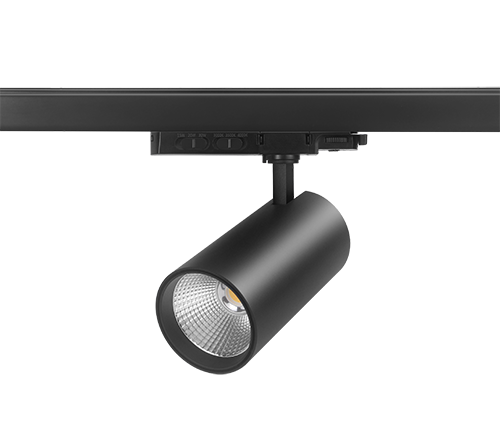
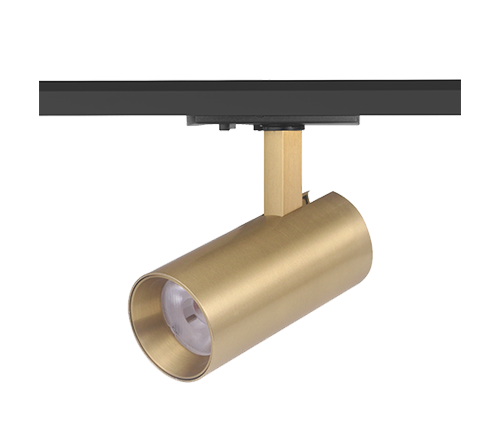
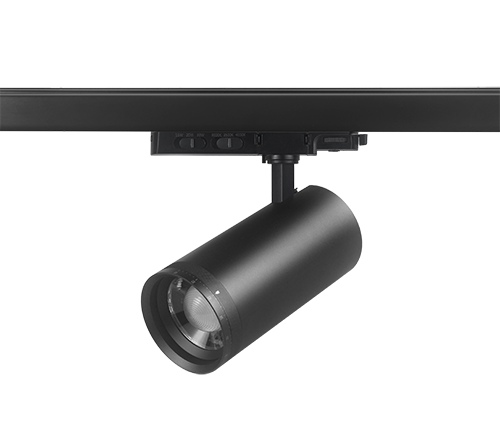
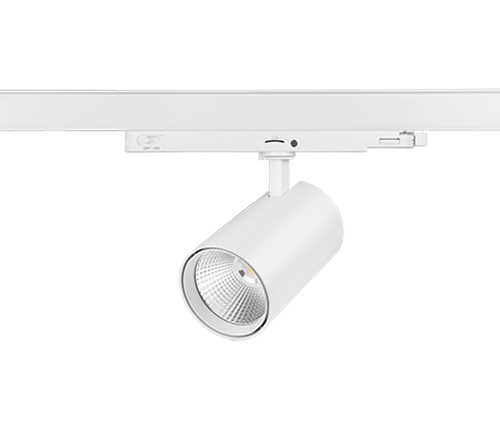
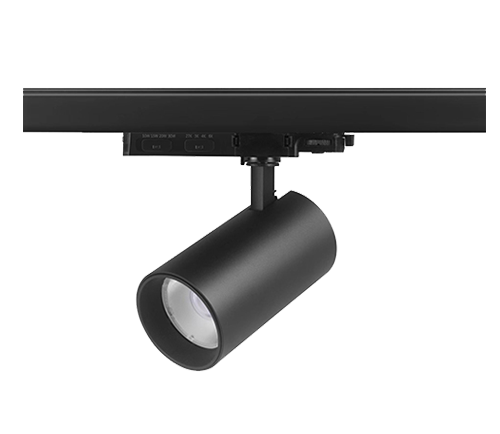
Modern lighting design demands versatility. Whether illuminating an art gallery, setting ambiance in a restaurant, or adapting a living room from day to night, color temperature plays a crucial role. Learn more about the 3CCT track light—a groundbreaking innovation that consolidates three color temperatures into a single fixture. With dimmable CCT track light capabilities, these systems redefine flexibility, health, and efficiency.

In this comprehensive guide, we’ll explore how 3CCT track lights work, their benefits, applications, and how they outperform traditional single-color solutions.
Lighting is no longer just about visibility; it’s about creating experiences. Correlated Color Temperature (CCT), measured in Kelvins (K), determines whether light appears warm (relaxing), neutral (balanced), or cool (energizing). Traditional track lights lock you into one CCT—e.g., 3000K warm white.
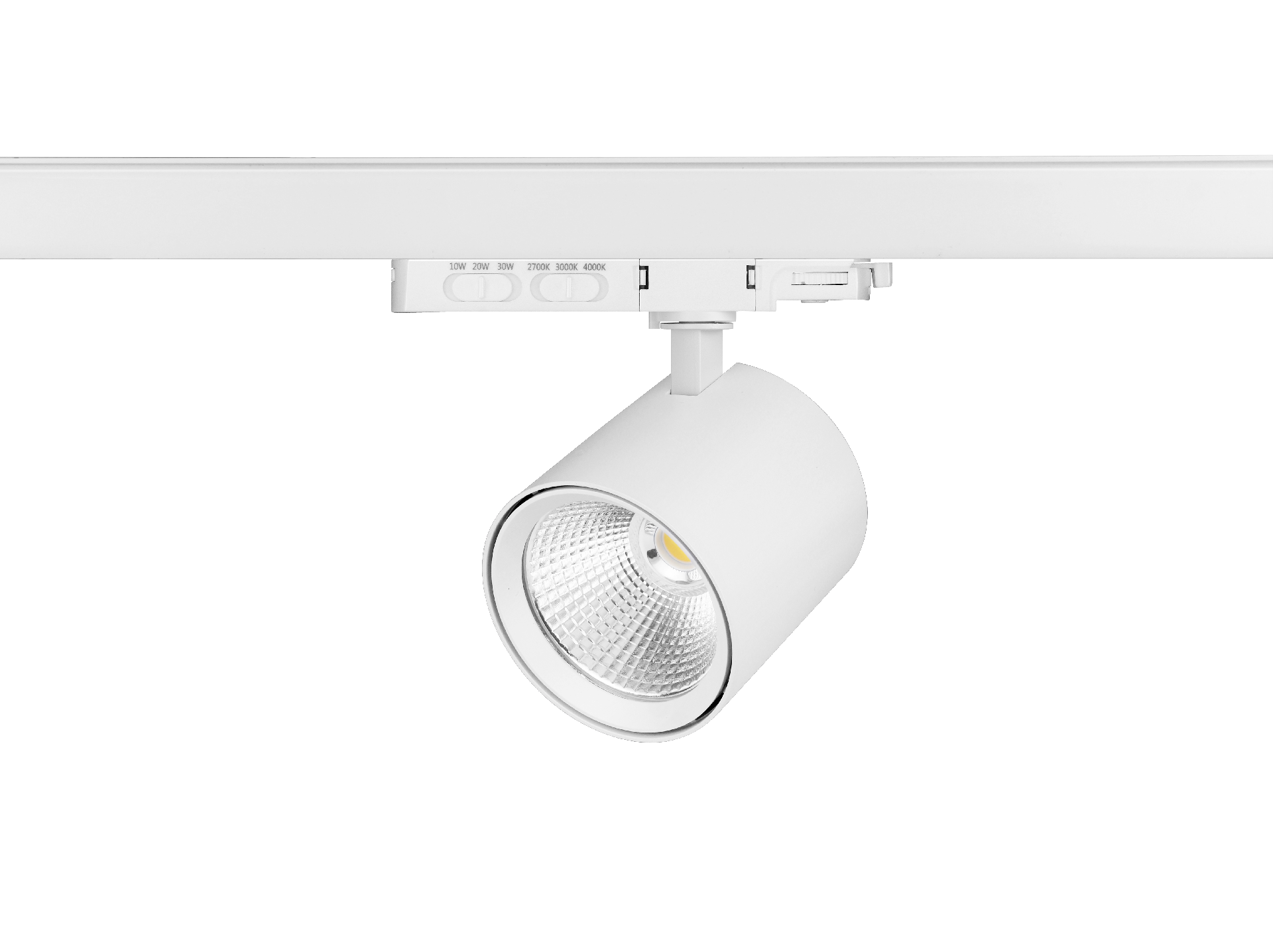
But 3CCT track lighting shatters this limitation. With a simple remote, app, or wall switch, you can toggle between three presets:
Warm White (2700K–3000K): Cozy, inviting ambiance for evenings or dining.
Neutral White (3500K–4000K): Natural, balanced light for tasks or socializing.
Cool White (5000K–6500K): Crisp, focus-enhancing light for work or displays.
This adaptability makes dimmable CCT track light systems ideal for spaces requiring frequent mood shifts—like homes transitioning from work to relaxation, or retail stores highlighting different products under tailored lighting.
3CCT (Triple Correlated Color Temperature) track lights integrate multi-chip LED technology. Each fixture houses LEDs capable of emitting three distinct color temperatures.
Key components include:
LED Modules: Engineered with separate warm, neutral, and cool diodes.
Driver & Control System: Allows seamless switching and dimming—compatible with 0–10V, DALI, or triac dimmable.
Optics: Adjustable beam angles (e.g., 15°–55°) for spotlighting or flood lighting.
Unlike single-CCT fixtures needing products replacements for temperature changes, 3CCT track lights enable instant adjustments between different color temperature.
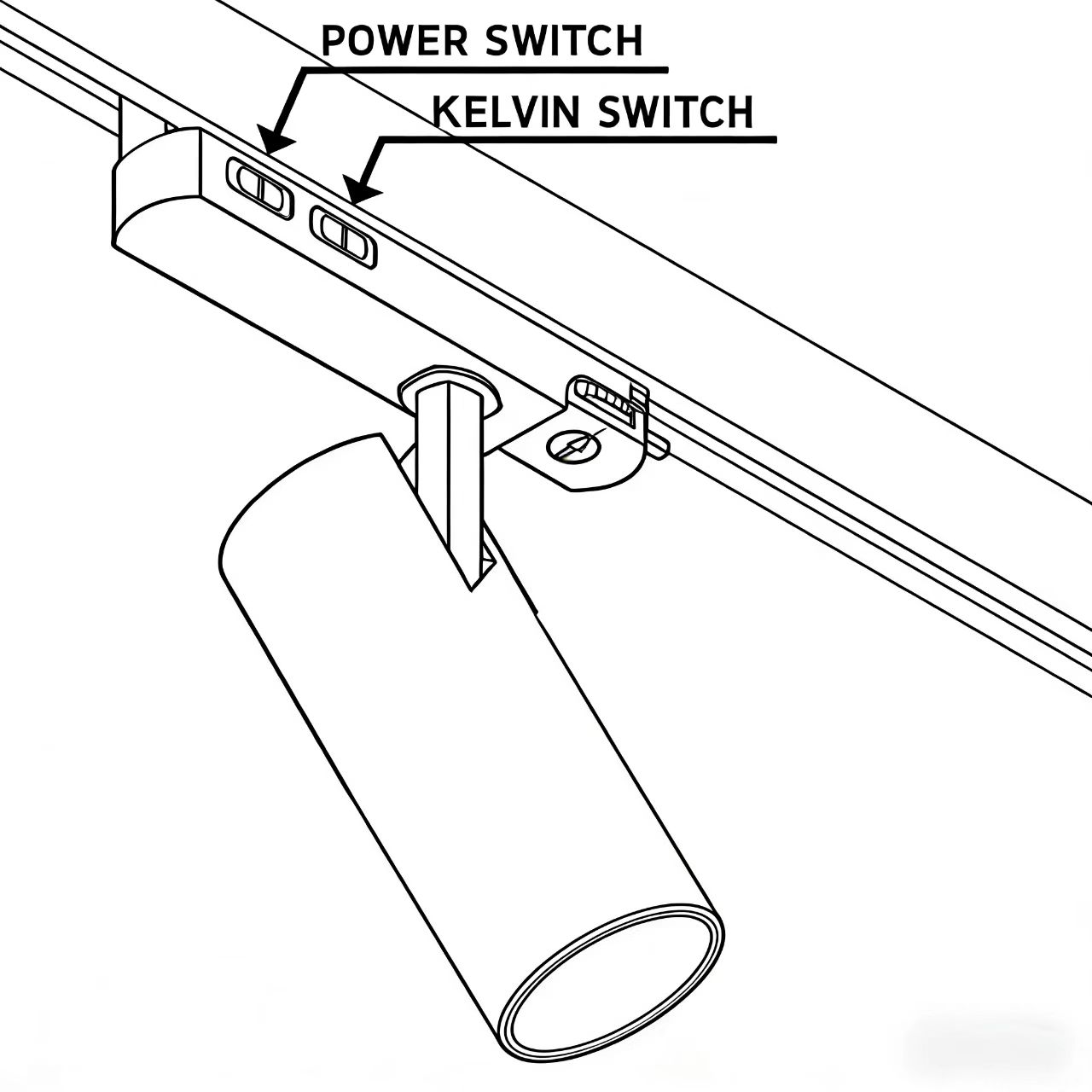
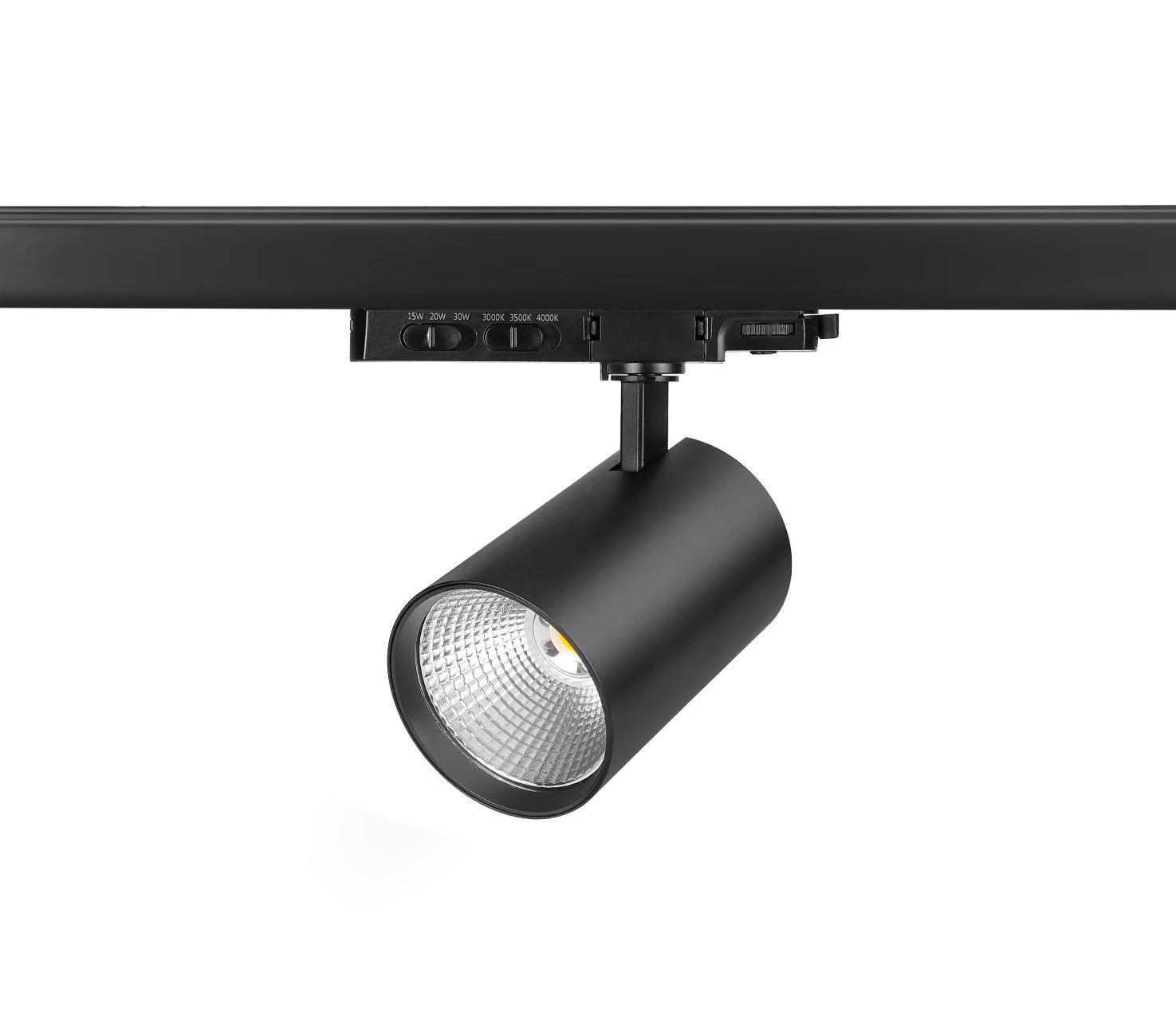
For example, a kitchen can shift from 3000K for a dinner party to 5000K for meal prep—all without swapping hardware just switching the bottom on the track adapter.
a) Unmatched Flexibility
Adapt lighting to time of day, activity, or decor changes instantly.
Ideal for multi-use spaces like open-plan homes or commercial galleries.
b) Mood & Productivity Enhancement
Warm light (2700K) boosts melatonin for relaxation.
Cool light (5000K+) increases alertness and concentration.
c) Energy & Cost Efficiency
LED technology cuts energy use by 80% vs. halogen. One 3CCT track light replaces three single-CCT fixtures—reducing installation and maintenance costs.
d) Health & Well-being
Align lighting with circadian rhythms to improve sleep and reduce eye strain.
Residential:
Kitchens: 5000K for cooking, 3000K for dining.
Living Rooms: Neutral white for daytime, warm for movie nights.
Retail & Galleries:
Highlight products under 4000K neutral light, artworks under 2700K warm glow.
Offices & Hospitality:
Cool white for meetings, warm white for lobby ambiance.

Consider these factors:
Compatibility: Ensure fixtures match your track system (e.g., H, J, or L-type).
Brightness & Beam Angle:
Lumens: 600–1500lm per fixture for task lighting.
Beam Angle: Narrow (15°–36°) for accent, wide (45°–60°) for general light.
CRI (Color Rendering Index): Opt for ≥90 CRI for true color accuracy.
Dimmability: Verify compatibility with leading dimmers to change the brightness.
IP Rating: IP20+ for damp areas (e.g., bathrooms)
Table 1: Core Feature Comparison
| Feature | 3CCT track light | Single CCT track light |
| Color Temperature | 3CCT adjustable presets(e.g., 2700-3000-4000K) | Only one fixed(e.g., 2700K/3000K only) |
| Cost Efficiency | Higher upfront cost but saves long-term | Lower upfront, higher long-term costs |
| Installation | Same as single-CCT | Same as single-CCT |
| Flexibility | High—adjust to any mood or task | Low—requires fixture swaps for changes |
| Best For | Multi-functional spaces, health focus | Static environments |
Table 2: Use Case Comparison
| Scenario | 3CCT track light | Single CCT track light |
| Home Office | 5000K for focus, 3000K for breaks | Fixed 4000K—may cause eye strain |
| Art Gallery | Tailor light to artwork medium (e.g., warm for oils) | Compromised color accuracy |
| Art Gallery | Shift lighting for promotions/seasons | Inflexible—may deter customer engagement |
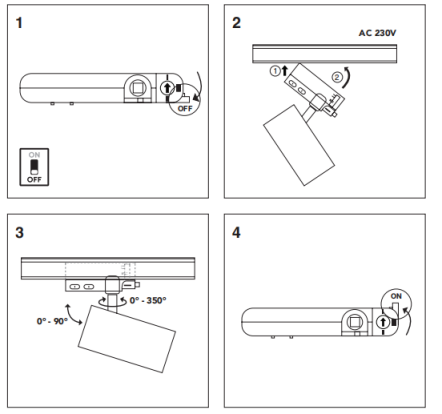
Safety First: Turn off power at the breaker.
Mount Track: Secure to ceiling joists using included hardware.
Wiring: Connect track to power supply
Attach Fixtures: Slide 3CCT track lights into the track and lock.
Control Setup: Test dimming and CCT switching.


Pro Tip: For large spaces, combine 3CCT and single-CCT fixtures on one track—use 3CCT for focal points.
Q1: How do I control the color temperature?
A: By switching the bottom on the track adapter to change the CCT from 2700k-30000k-4000k or other customized ones.
Q2: Are 3CCT track lights dimmable?
A: Yes! They ar triac dimmable
Q6: What’s the ideal CCT for a living room?
A: 2700K–3000K for evenings (relaxation), 3500K–4000K for daytime. With 3CCT track lighting, you get both.
Q7: How long do these LEDs last?
A: 50,000+ hours (over 15 years at 8 hours/day).
3CCT track lighting isn’t just a trend—it’s the future of adaptive illumination. By merging three color temperatures into one dimmable CCT track light, you gain unprecedented control over ambiance, health, and efficiency.
Whether upgrading a home or commercial space, this technology eliminates compromises. Ready to transform your lighting? Start with a 3CCT system—where flexibility meets brilliance.