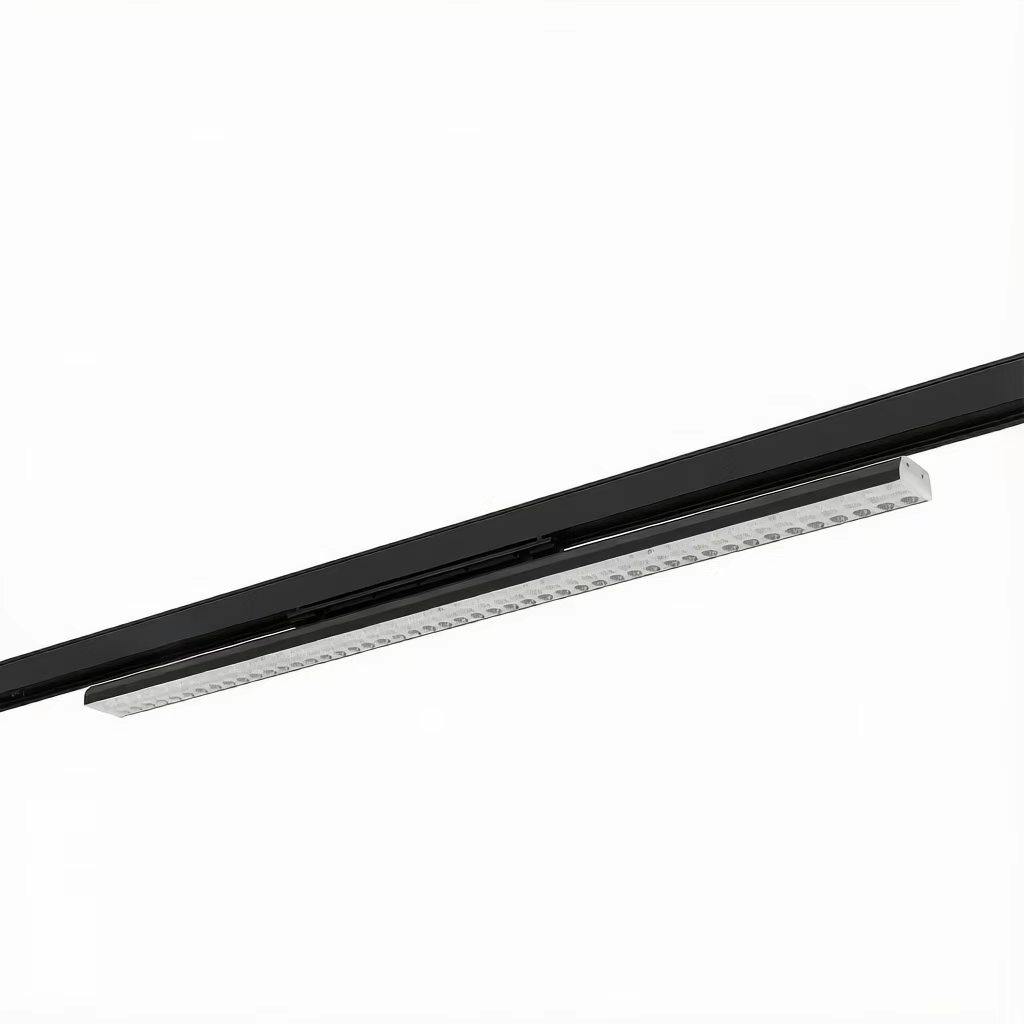
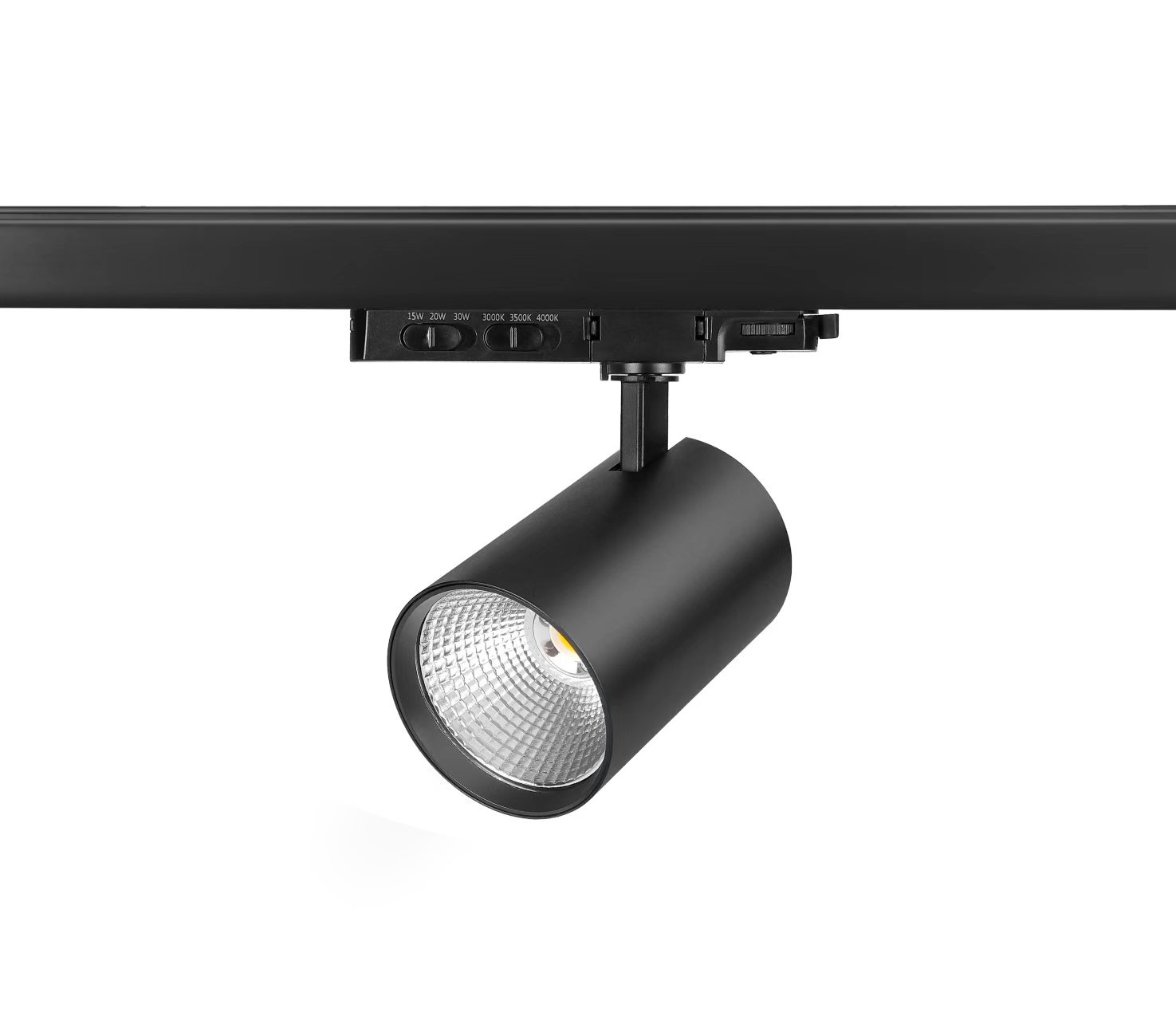
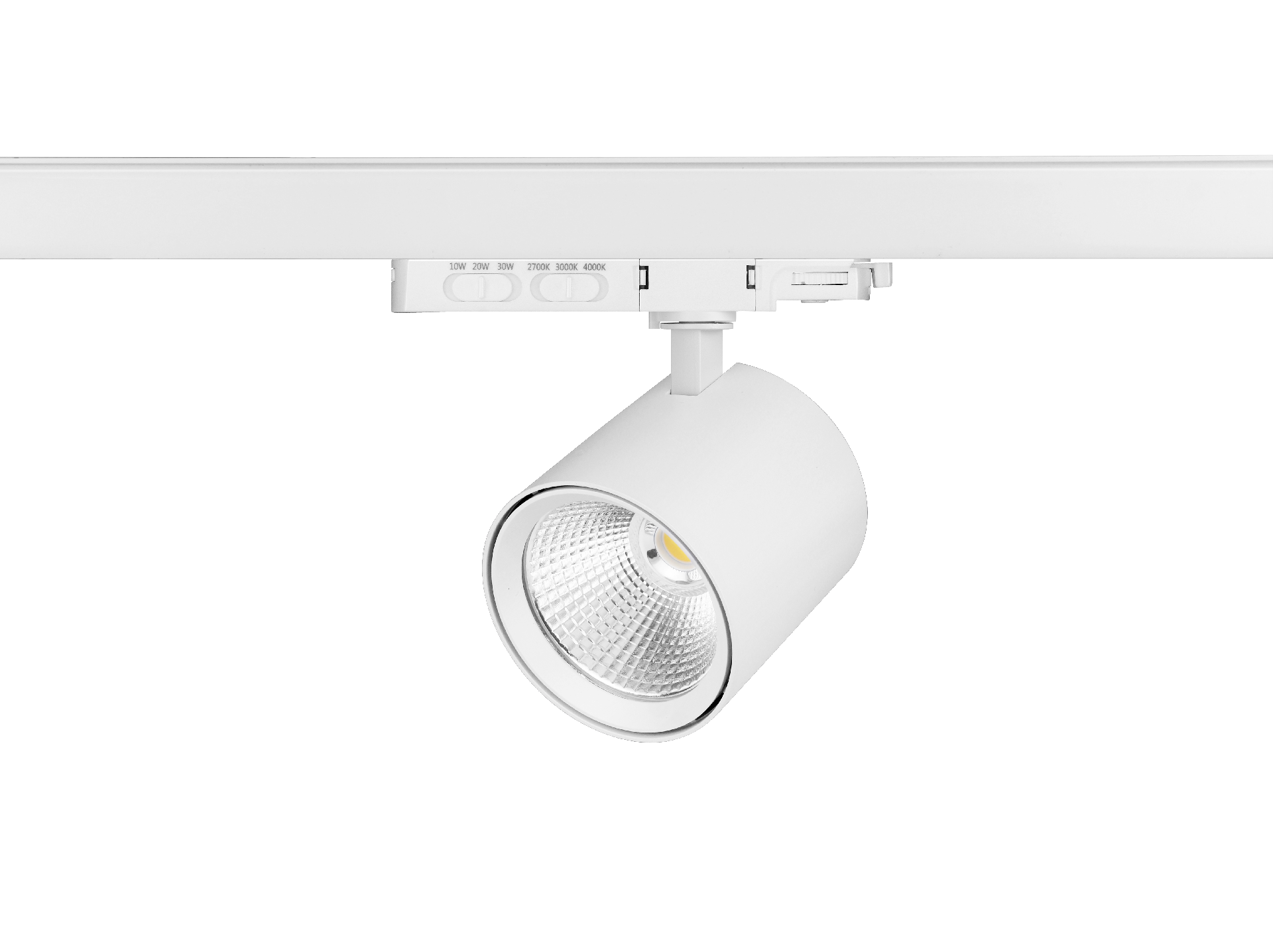
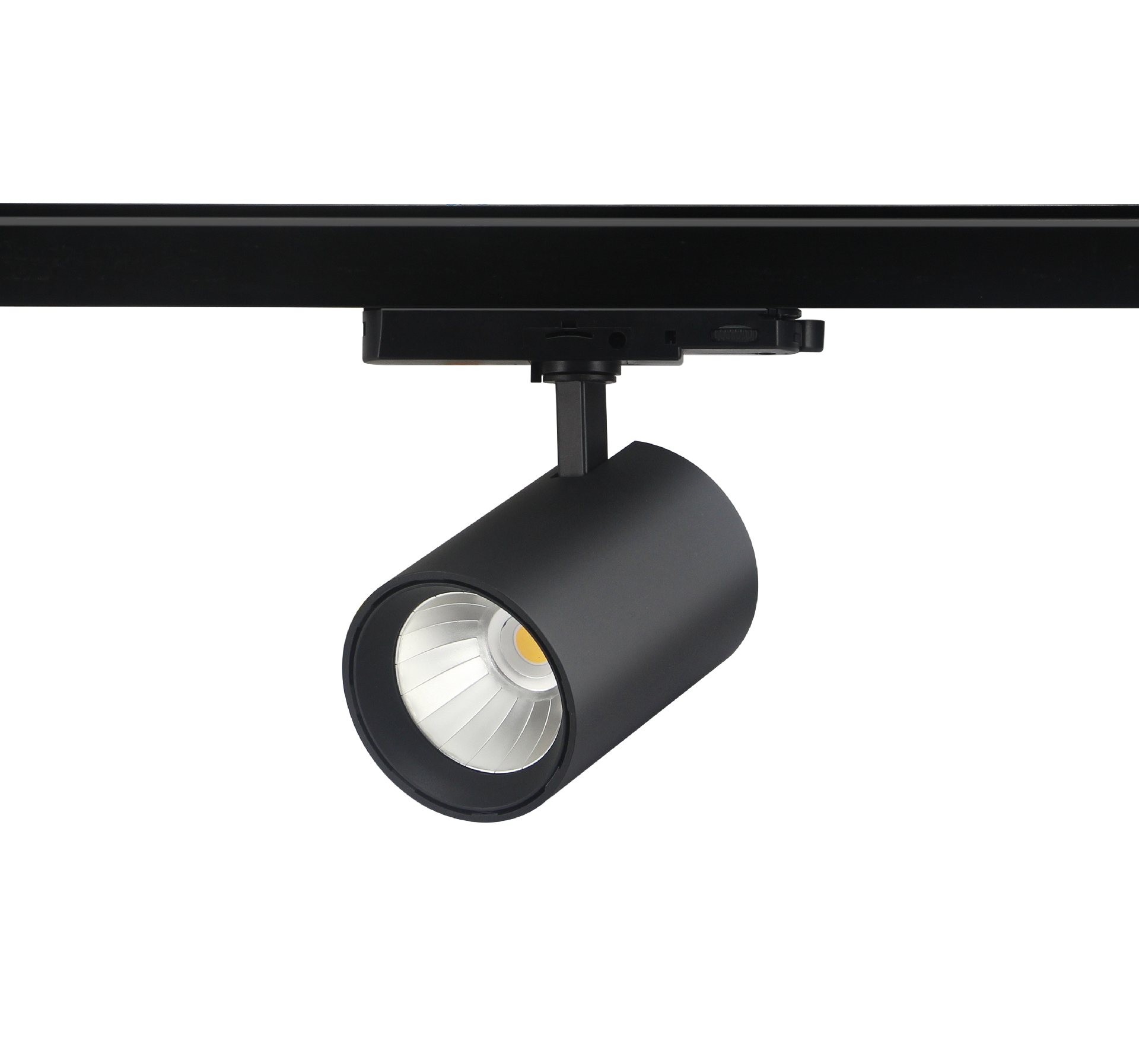
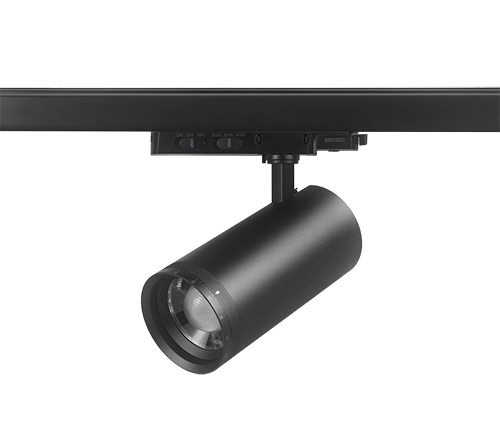
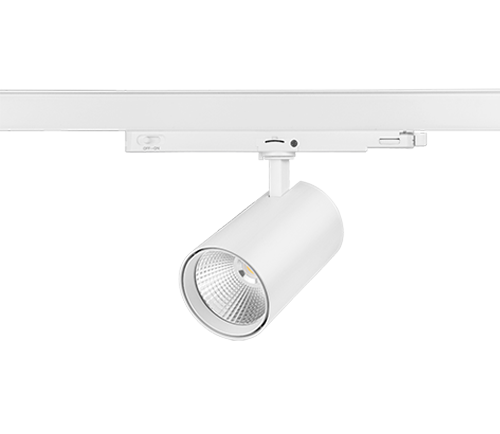
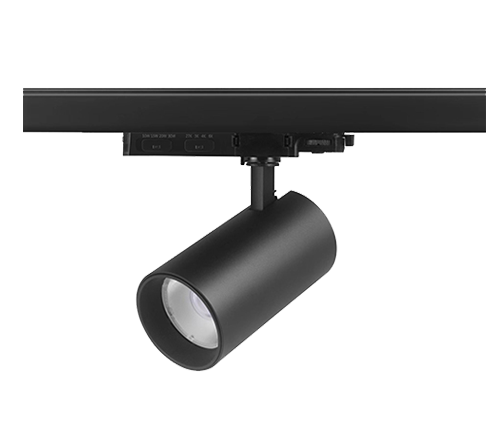
Wholesalers ask a led lighting factory for custom versions of led track lights or led linear track light. The request might mean different LEDs, DALI2 drivers or the buyers brand on the products or package.

OEM and ODM are used differently across industries and suppliers. In this article, it explains how to evaluate an LED lighting manufacturer for wholesale, compare selectable track lighting products, reduce sourcing risks, and build a more reliable commercial lighting supply chain.
1. What Should You Look for in an LED Lighting Manufacturer for Wholesale?
An LED lighting manufacturer for wholesale should provide a combination of product capability, manufacturing control, technical support, and commercial reliability. A competitive quotation is useful, but it is only one part of the purchasing decision.
Before comparing suppliers, define your business requirements. Are you purchasing standard products for warehouse stock, sourcing fixtures for a specific commercial project, developing a private-label product range, or supplying lighting to regional distributors? Each situation requires a different balance of flexibility, volume, lead time, and technical support.
Manufacturing capability and product specialisation
Start by determining whether the supplier manufactures the products you intend to buy and whether its product range matches your target market.
For commercial LED lighting, relevant capabilities may include:
LED track lights and linear track lights.
Selectable-wattage and selectable-CCT configurations.
Different colour-rendering options.
Compatible track systems and accessories.
Dimming options where required.
OEM/ODM services and private-label packaging.
A supplier with a focused commercial lighting range may be better suited to your requirements than a general trading company with limited technical knowledge of the products it sells. Nevertheless, buyers should verify the supplier's actual manufacturing arrangements rather than relying solely on the word "factory" in a company profile.
Product quality and consistency
Wholesale customers need products that perform consistently across batches. A sample may look good, but repeat orders must maintain the agreed specifications and quality level.
Ask the manufacturer how it manages incoming component inspection, production checks, final testing, product identification, and traceability. Find out how specification changes are controlled and how defects or customer complaints are investigated.
The aim is to establish whether the supplier can deliver the same approved product repeatedly, not simply whether it can produce one acceptable sample.
Technical support and communication
Commercial lighting buyers may need help confirming wattage, CCT, beam angle, CRI, driver compatibility, track type, or the suitability of a fixture for a particular application.
A reliable supplier should be able to explain the specifications clearly, identify limitations, provide relevant documentation, and respond to technical questions before an order is placed.
Communication is especially important when sourcing from overseas. Confirm who will handle technical questions, sample approval, production updates, shipping documentation, and after-sales issues.
Traditional fixed-specification lighting products are manufactured for defined wattage and colour-temperature combinations. If a distributor needs multiple combinations, it may need to purchase and stock several different product variants.
Power & CCT switchable LED lighting offers an alternative. The fixture includes selectable settings that allow the installer to configure the output power and colour temperature according to the available options and the project's requirements.
For wholesale buyers, this can help simplify product selection and create more flexibility across different commercial applications.
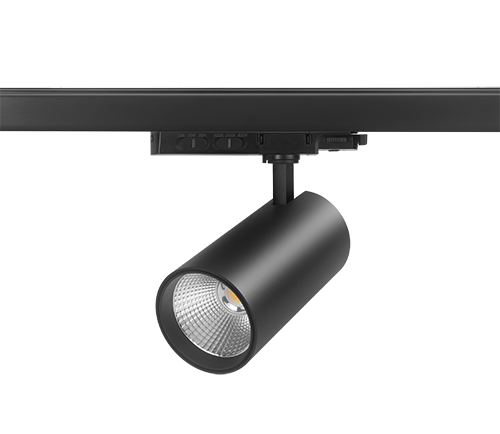
A Power Switchable LED Track Light has multiple selectable power settings within one fixture. Depending on the model, the installer can select the required wattage using a designated switch or configuration mechanism.
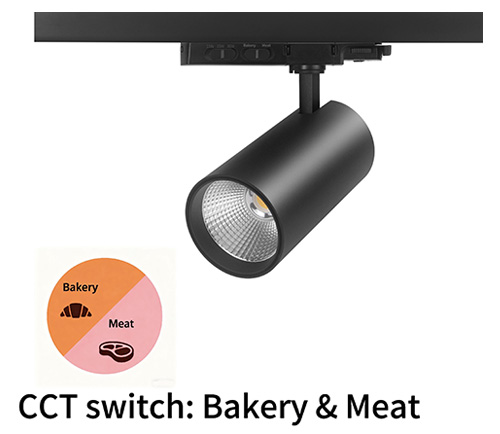
It integrateds 3POWER (15W-20W-30W) and 3CCT ( 2700K-3000K-4000K) and also triac dimmable into one single lighting fixture. Allowing users can change the brightness and color temp according to the environments and items to attract visitors and costumers.
The potential benefit is a simpler product range when the available settings match the buyer's actual sales and project requirements.
3. LED Track Light vs. LED Linear Track Light: Which Should You Source?
A wholesale lighting portfolio should reflect the applications your customers serve. LED track lights and LED linear track lights are related products, but they support different lighting objectives.
Power & CCT Switchable LED Track Light
LED track lights are commonly used where directional lighting, accent lighting, or focused product illumination is required. They are suitable for applications such as fashion retail, showrooms, galleries, selected supermarket displays, and commercial spaces where products need visual emphasis.
Depending on the model, key selection factors include wattage, CCT, beam angle, CRI, dimming method, and track-system compatibility.
A selectable model can give distributors greater flexibility when supplying stores with different product displays or ceiling conditions.

LED linear track lights provide an elongated light-emitting format and are often considered for continuous or broader illumination across retail aisles, shelving areas, supermarkets, and other commercial interiors.
The suitability of a linear fixture depends on its actual optical distribution, mounting height, spacing, lumen output, and the surfaces that need to be illuminated. Its shape alone does not guarantee uniform illumination.
For wholesale buyers, selectable power and CCT may simplify product selection across different project requirements, provided the product's photometric and electrical performance meets the specification.
Product comparison for B2B sourcing
buying consideration
| led track light | led linear track light |
| typical ligihting role | directional or accent lighting | broader, more continous lighting |
| common applications | retail displays, showrooms, feature areas | supermarket aisles, shelving, commercial retail areas |
| Power selection | 3Watts 115W-20W-30W adjuatable | 4 watts, 45W-50W-55W-60W |
| CCT selection | 3CCT 2700K-300K-4000K | 3CCT 3000K-4000K-5000K |
| Beam angle | 15/24/36/60 degree available | 80 degree |
| key technical | beam angle, CRI, track compatibility | mounting height |
| wholesale opportunity | flexible fixture options for diaplay lighting | flexible fixture options for larger retail layouts |
A distributor serving multiple commercial segments may benefit from sourcing both categories from a manufacturer that can support consistent documentation, product identification, and repeat-order management.
4. How to Evaluate an LED Lighting Manufacturer's Product Specifications
Before requesting a wholesale quotation, create a product specification checklist. This reduces misunderstandings and makes it easier to compare different manufacturers on an equivalent basis.
Wattage and luminous flux
Wattage describes electrical input power, while luminous flux, measured in lumens, describes the total visible light output. Neither figure alone determines how much light reaches a particular product or surface.
Ask for the lumen output at each selectable power setting. Where relevant, confirm whether the output changes with CCT, CRI, or other configuration choices.
For project-based purchases, use the actual photometric data to evaluate the fixture's suitability rather than relying on wattage alone.
Luminous efficacy
Luminous efficacy, expressed in lumens per watt (lm/W), indicates the amount of luminous flux produced per unit of electrical power.
Higher efficacy can support energy-conscious commercial lighting specifications, but buyers should verify the test conditions and the exact configuration to which a declared value applies.
If a manufacturer advertises efficacy of up to 140 lm/W for a linear track light, ask whether this is a maximum, typical, or measured value and which wattage, CCT, and CRI settings were tested. Do not assume every configuration achieves the same result.
CCT and CRI
CCT affects the apparent warmth or coolness of the light, while CRI is a commonly used indicator of colour-rendering performance.
For commercial applications, verify the available CCT settings and the specified CRI. Buyers supplying food retail, fashion retail, and display lighting may have different requirements for colour appearance.
Also consider colour consistency between units and across repeat production batches.
Beam angle and photometric data
Beam angle is an important optical specification, but it does not describe the complete light distribution. Two fixtures with the same nominal beam angle can produce different results.
Request IES or LDT photometric files where available, along with clear information about the optical design. These files can help lighting designers calculate fixture spacing, illuminance, and uniformity.
5. How to Choose the Right LED Lighting Manufacturer for Your Target Market
An LED lighting product that works for one market may not meet every requirement in another. Before placing a wholesale order, identify the destination country, intended application, installation environment, and applicable product regulations.
Understand your customers' applications
If your customers are mainly retail lighting distributors, you may need a broad selection of track lights and linear track lights. If they focus on supermarket projects, linear fixtures and products suited to aisle and shelving layouts may be more relevant.
For showrooms or fashion stores, directional track lights may play a larger role. Matching the supplier's range to your customers' actual requirements helps prevent unnecessary stock and improves product selection.
Verify compliance documentation
Ask for the documents applicable to the exact product model and target market. Depending on the product and destination, these may include relevant safety and electromagnetic compatibility documentation, declarations, test reports, and substance-restriction documentation.
For products sold in Europe, do not rely on a general claim that a supplier's products are "CE certified." Confirm the applicable legal requirements, the relevant documentation, and whether the documents correspond to the exact model being purchased. CE marking is associated with the manufacturer's declaration of conformity under applicable EU legislation; it is not a universal quality grade.
Similarly, confirm the scope and relevance of any RoHS documentation and other market-specific requirements.
6. MOQ, Lead Time, and Inventory Management for Wholesale LED Lighting
Minimum order quantity and lead time influence purchasing decisions, but the lowest MOQ or shortest quoted lead time does not automatically represent the best overall deal.
A supplier should explain how order volume, customisation, component availability, production scheduling, and packaging affect the final quotation.
How selectable power and CCT can simplify inventory
Consider a distributor supplying different retail projects. One customer may require a warmer CCT, while another needs neutral white. A third may need a different power level because of the mounting height or lighting design.
If the product supports all the required configurations, one selectable model may reduce the number of separate fixed-specification variants that need to be stocked.
Potential benefits include:
Fewer separate product variants to forecast and replenish.
Greater flexibility when allocating stock to different projects.
Less risk of holding an unpopular fixed-specification variant.
Easier product-range planning for some distributor business models.
These benefits depend on the actual product design, sales mix, demand, and configuration requirements. Selectable products may not replace separate SKUs where customers require different optics, dimensions, control systems, or electrical specifications.
How to assess MOQ
Ask the manufacturer to distinguish between standard-product MOQ and customised-product MOQ. Private-label packaging, special finishes, non-standard specifications, and customised components may have different minimum quantities.
For new suppliers, a sample order or pilot batch can help you evaluate the product before committing to a larger volume. Confirm whether samples are available, whether sample costs are refundable against an order, and whether the production version will match the approved sample.
How to compare lead times
Ask the supplier to state the expected production lead time, the point at which the lead time begins, and the assumptions behind the quotation. Confirm whether packaging approval, customisation, or documentation can affect the schedule.
For repeat orders, discuss forecast visibility and the process for communicating delays. A clear production schedule is more useful than an unsupported promise of fast delivery.
7. OEM and ODM Services: What Wholesale Buyers Should Confirm
OEM and ODM services can help distributors develop a branded product range or adapt products to specific market needs. However, the exact scope of customisation varies by manufacturer.
OEM services
OEM services may include private-label branding, customised packaging, product labels, and other agreed changes to an existing product. These options can help wholesalers present a more consistent brand identity to their customers.
Before ordering, confirm the approved artwork, packaging specifications, product markings, documentation, and minimum quantities.
ODM and product customisation
ODM services may involve a broader level of product development or modification, depending on the supplier's engineering capabilities.
For LED track lighting, potential discussions might include available power and CCT combinations, finishes, optical options, driver choices, and other product features. Not every change will be technically feasible or commercially viable.
Any customised design should be evaluated for performance, compliance, tooling or development costs, production lead time, and repeat-order consistency.
Questions to ask before approving customisation
Which specifications can be changed without redesigning the product?
What is the MOQ for each customisation option?
How will approved specifications be recorded and controlled?
Can the supplier maintain the same specification for repeat orders?
Written answers to these questions help reduce disputes and clarify the scope of the commercial agreement.
8. How to Evaluate Manufacturing Quality Before Placing a Bulk Order
A professional sourcing process should include more than reviewing a catalogue or receiving a sample. The objective is to establish whether the supplier can consistently deliver the product that was approved.
Step 1: Review the technical documentation
Check the datasheet for completeness and consistency. Confirm the model number, power settings, CCT options, CRI, luminous flux, efficacy, beam angle, dimensions, electrical input, track compatibility, and dimming details where applicable.
If a specification is unclear or inconsistent, request a written clarification before proceeding.
Step 2: Test a sample
Evaluate the sample against your intended application. Check the physical finish, assembly, labelling, selectable switches, light appearance, and compatibility with the intended track system.
Where the application is important, arrange suitable photometric or electrical testing. A visual inspection alone cannot verify every performance claim.
Step 3: Agree on an approved specification
The quotation, purchase order, datasheet, and approved sample should refer to the same model and configuration. Record any agreed deviations and ensure that the supplier acknowledges them in writing.
For selectable products, document how the power and CCT are set and how the selected configuration will be identified during installation.
Step 4: Confirm quality-control procedures
Ask what checks are performed during production and before shipment. Depending on the product, these may include visual inspection, electrical checks, functional testing, and verification of labels or packaging.
For larger orders, agree on an inspection plan appropriate to the commercial risk and order size.
10. Why Source LED Track Lights and Linear Track Lights From One Manufacturer?
For wholesalers and distributors, purchasing complementary product categories from one qualified manufacturer can simplify supplier management. This is particularly useful when both directional track lighting and linear track lighting are important parts of the product portfolio.
Potential advantages include a more coordinated product catalogue, fewer supplier relationships to manage, more consistent documentation workflows, and a clearer process for repeat orders.
However, buyers should not assume that all products from one supplier share identical components, certifications, warranty conditions, or track compatibility. Each model still needs to be evaluated individually.
A practical portfolio strategy
A distributor serving retail stores, supermarkets, and commercial showrooms could organise its product range into two complementary groups:
Group A: Power & CCT Switchable LED Track Lights
Position these products for applications that need directional lighting or emphasis on selected merchandise. Verify the available wattage, CCT, beam angle, CRI, dimming option, and track-system compatibility for each model.
Group B: Power & CCT Switchable LED Linear Track Lights
Position these products for commercial applications that require a linear fixture format and broader light distribution. Verify the actual luminous flux, efficacy, optical distribution, selectable settings, and suitability for the intended mounting height and layout.
This portfolio approach allows sales teams to match products to applications while helping procurement teams maintain a clearer specification structure.
11. Questions to Ask an LED Lighting Manufacturer Before Ordering
Before approving a supplier, ask direct questions that can be answered with product information or documented processes.
Do you manufacture the LED track lights and linear track lights offered in your quotation?
Which power and CCT combinations are available for each model?
What are the lumen output and efficacy at each relevant setting?
Can you provide IES or LDT photometric files of led track lights or led linear track lights?
Which track systems and dimming methods are compatible?
What quality-control checks are performed before shipment?
What compliance documentation is available for the target market?
What are the standard MOQ, customised MOQ, and production lead time?
Can you provide OEM branding and packaging?
How are specifications controlled for repeat orders?
What is the process for handling defects or technical complaints?
A supplier's willingness to clarify these points can help you evaluate whether its products and processes are suitable for your business.
12. FAQs About Wholesale LED Lighting Manufacturers
How do I choose a reliable LED lighting manufacturer for wholesale?
Start by defining your target market and required product specifications. Then assess manufacturing capability, sample quality, technical documentation, applicable compliance, MOQ, lead time, quality-control procedures, warranty terms, and communication. Verify important claims before placing a bulk order.
What is the difference between an LED lighting manufacturer and a trading company?
A manufacturer generally operates or controls production activities, while a trading company sources products from other suppliers. Either type of business may provide value, but buyers should understand who is responsible for manufacturing, quality control, technical support, documentation, and after-sales claims.
What are Power & CCT Switchable LED Track Lights?
They are track-mounted LED fixtures with selectable power settings and selectable correlated colour temperature settings. The available wattage and CCT combinations depend on the model. Buyers should confirm the configuration method, lumen output, and performance for the settings they intend to use.
What are Power & CCT Switchable LED Linear Track Lights used for?
They are commonly considered for commercial spaces such as retail aisles, supermarket shelving areas, and other applications where a linear fixture format and broader light distribution may be suitable. Final suitability depends on photometric performance, mounting conditions, required illuminance, and the project design.
Can selectable power and CCT reduce wholesale inventory?
They may reduce the number of separate fixed-specification variants a distributor needs to stock when one product supports several configurations that meet customer requirements. The actual inventory benefit depends on sales demand and whether other specifications, such as beam angle, CRI, dimming, or track compatibility, still require separate models.
What MOQ should I expect when buying LED lighting wholesale?
MOQ varies by manufacturer, product, order volume, packaging, and customisation. Ask for separate quantities for standard products and customised products. Where available, a sample or pilot order can help assess quality before a larger commitment.
What documents should I request from an LED lighting supplier?
Request a current datasheet, relevant photometric information, applicable electrical and safety documentation, market-specific compliance documents, warranty terms, and packaging or labelling details. The required documents depend on the product and destination market.
Can a manufacturer customise LED track lights for my brand?
Depending on its capabilities, a manufacturer may offer OEM branding, packaging, labelling, and selected product modifications. Confirm the available options, minimum quantities, additional costs, development time, and any compliance implications before approving the order.
How can I reduce risk when sourcing LED lighting from overseas?
Use a documented procurement process: verify the supplier, approve a sample, agree on the exact specification, confirm the applicable documentation, clarify payment and delivery terms, and establish a quality-inspection and defect-handling process. For larger orders, consider an appropriate pre-shipment inspection.
Conclusion: Choose an LED Lighting Partner, Not Just a Low-Cost Supplier
Choosing an LED lighting manufacturer for wholesale requires a balance of product suitability, verified performance, quality consistency, commercial flexibility, and reliable support. A competitive unit price matters, but the long-term result also depends on how well the supplier manages specifications, repeat orders, delivery expectations, and after-sales issues.
For distributors, importers, and commercial lighting brands, Power & CCT Switchable LED Track Lights and Power & CCT Switchable LED Linear Track Lights can provide useful flexibility across different retail and commercial applications. When the available configurations match real customer requirements, these products may also simplify parts of the purchasing and inventory process.
Pustlux supplies LED lighting solutions for commercial applications and welcomes enquiries from wholesalers, importers, distributors, and project buyers interested in selectable-power and selectable-CCT track lighting products.
Looking for an LED lighting manufacturer for wholesale? Contact Pustlux to request product specifications, discuss available configurations, review OEM/ODM options, and obtain a quotation based on your target market and order requirements.
 Tel.+86 15013617190
 Email:info@pustlux.com