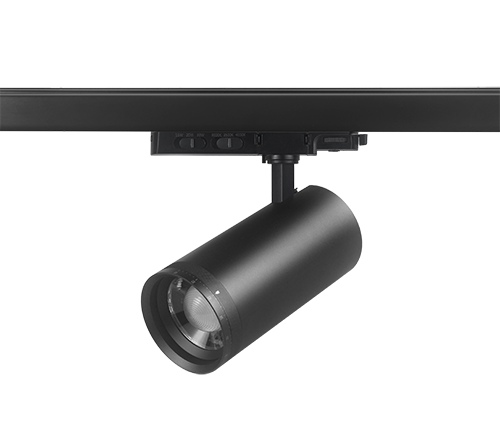
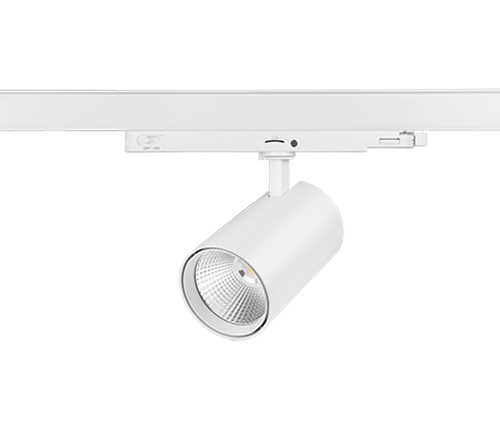
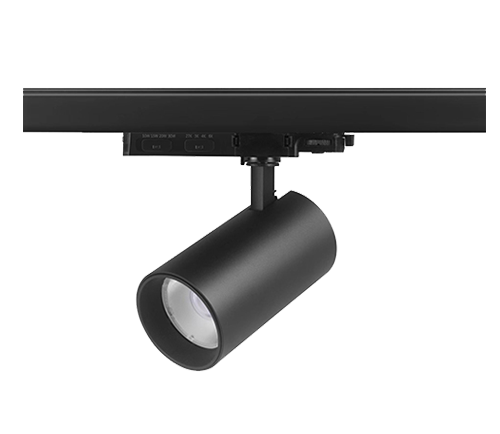
Unlike conventional dimming systems, DALI-2 dimming track light provides digital communication between lighting fixtures, sensors, and control systems. This enables museums to create dynamic lighting environments while reducing energy consumption and improving operational efficiency. For museum directors, lighting designers, architects, and electrical contractors, selecting the right smart lighting solution has become a strategic decision.
A professional DALI-2 dimming LED track lighting system can help achieve:
As museums continue adopting intelligent building technologies, DALI-2 LED track lighting is becoming the future standard for professional exhibition lighting.
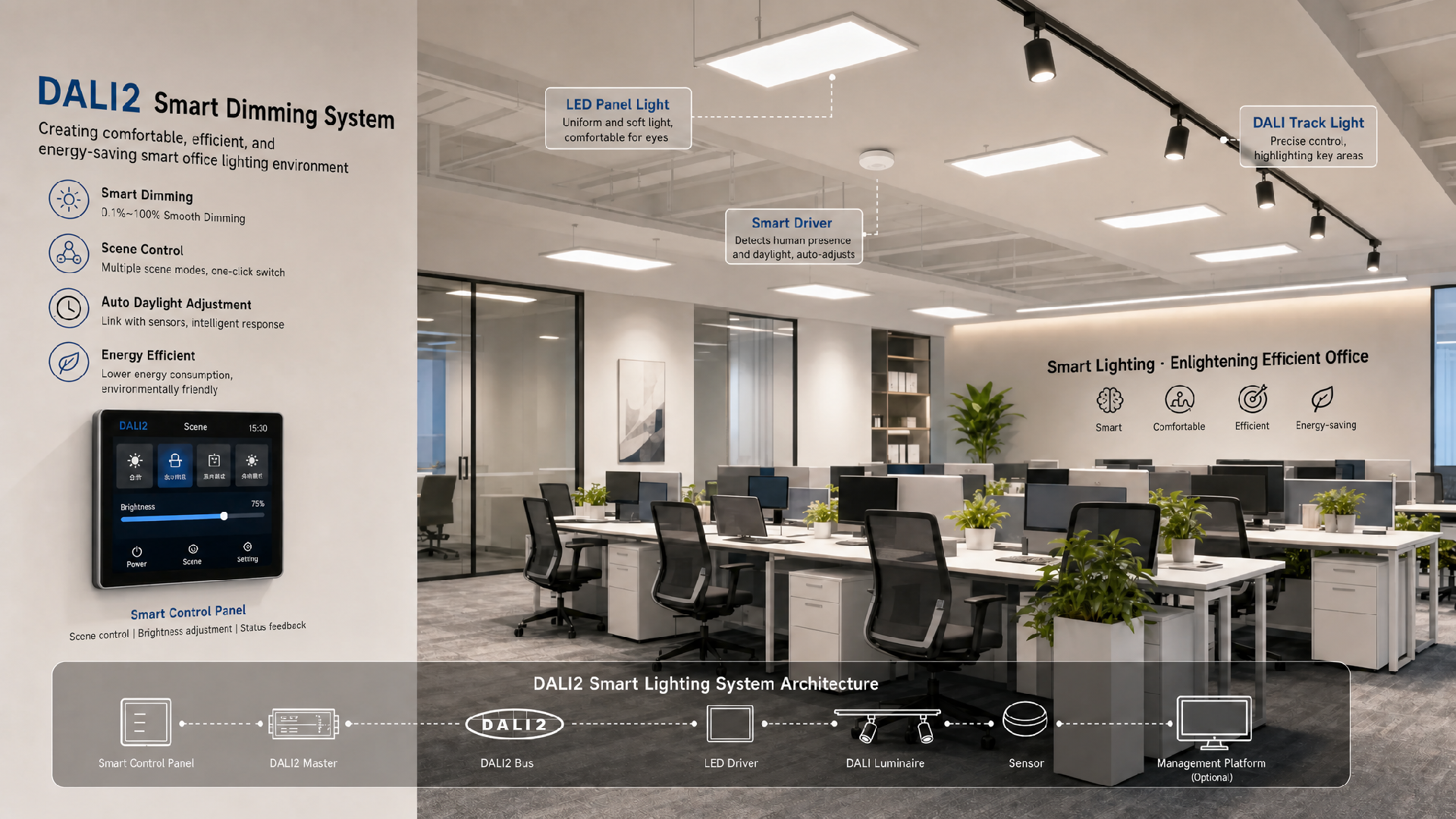
1. Knowing about DALI-2 Technology in Museum Lighting
1.1 What Is DALI-2 Lighting Control?
DALI-2 dimming(DT8) track light is an international lighting communication protocol designed for intelligent lighting control in the lighting projects. Unlike traditional systems where multiple fixtures are controlled together, DALI-2 dimming track light allows each individual light fixture to communicate independently with the lighting management system.
This means every single LED track light can have its own:
Address
Brightness setting
Lighting schedule
Control response
For museums, this level of control creates significant advantages. A curator can adjust lighting for:
without physically changing the lighting installation.
1.2 Why Museums Need Intelligent Lighting Control
Museum environments are unique because lighting requirements are constantly changing. Different types of artworks are included in a single museum:
Ancient paintings
Modern art exhibitions
Sculpture areas
Photography collections
Interactive displays
Each area requires different lighting conditions.
Such as:
Painting Exhibition
Requirements:
Photography Exhibition
Requirements:
Historical Artifact Exhibition
Requirements:
A fixed lighting system cannot efficiently satisfy all these requirements. DALI-2 dimming LED track lighting provides the flexibility needed for modern museums.
2.1 Individual Fixture Control
One of the biggest advantages of DALI-2 is individual addressing. Traditional lighting: One switch → Multiple lights. But DALI-2 lighting: One control system → Every individual fixture
This allows museum operators to control:
Specific artwork lighting
Individual exhibition zones
Different brightness levels
Like:
A museum may have 50 paintings in one gallery room But with DALI-2 dimming track lights, each track light can be adjusted independently according to artwork requirements.
2.2 Precise Dimming Performance with the DALI2 technology
Artwork protection requires careful control of light intensity.
Too much light exposure can accelerate:
Color fading
Material degradation
Surface aging
DALI-2 enables precise dimming adjustment. Compared with traditional dimming solutions, it provides:
Smoother dimming
Better consistency
More accurate control
This allows museums to balance: Artwork protection + Visitor experience
2.3 Energy Efficiency and Sustainable Museum Operation
Energy efficiency has become increasingly important in European museum lighting projects. Modern museums need to reduce:
Electricity consumption
Carbon emissions
Operational costs
DALI-2 dimming track light helps optimize energy usage through:
Automated scheduling
Occupancy sensors
Daylight integration
Zone control
3.1 Comparison Table
| Feature | Traditional Lighting Control | DALI-2 Dimming LED Track Lighting |
|---|
| Control Method | Manual switching | Digital communication |
| Fixture Control | Group control | Individual control |
| Brightness Adjustment | Limited | Precise adjustment |
| Exhibition Changes | Requires manual adjustment | Dimmer-controlled |
| Energy Management | Basic | Intelligent optimization |
| Future Expansion | Limited | Highly scalable |
| Building Integration | Difficult | Easy integration |
3.2 Why Traditional Dimming Systems Are Limited
Many older museum projects still use:
TRIAC dimming
0-10V dimming
Manual switches
These solutions can work for small spaces, but they have limitations. For professional museums, DALI-2 dimming track light provides the highest level of flexibility.
4. Why Track Light Color Accuracy Matters in Smart Museum Lighting
Smart control alone is not enough. A museum lighting system must also provide excellent optical performance.
The ideal combination is: Smart Control + High Color Accuracy + Artwork Protection
4.1 High CRI Performance for Accurate Artwork Presentation
CRI measures how accurately a light source reproduces colors. For museums lighting, we recommend the CRI90+, and 95+ for premium projects. Professional gallery lighting solutions should reproduce natural colors, and original artistic expression.
Pust Lighting museum CCT LED track lighting solutions are designed with: CRI 95+, R9>90. This ensures exceptional red color reproduction and accurate presentation of paintings, sculptures, and cultural collections.
4.2 Flicker-Free Performance for Professional Photography
Modern museums increasingly require:
Digital archives
Online exhibitions
Professional photography
Lighting flicker can create:
Camera banding
Color inconsistencies
Poor image quality
Therefore, professional museum lighting requires flicker-free drivers.
Pust Lighting DALI-2 LED track lights integrate flicker-free driver technology to provide:
5.1 The Importance of Controlled Lighting Exposure in Museums
Artwork preservation is one of the most important considerations when designing museum lighting systems. Unlike commercial environments where maximum brightness is often prioritized, museums must carefully control light exposure because many materials are sensitive to prolonged illumination.
Examples of light-sensitive collections include:
Oil paintings
Watercolor artwork
Historical documents
Textiles
Ancient manuscripts
Photography collections
Excessive or uncontrolled lighting can accelerate:
Color fading
Chemical degradation
Surface deterioration
For this reason, modern museums increasingly require lighting systems that can precisely manage:
Light intensity
Exposure duration
Color temperature
Lighting schedules
DALI-2 LED track lighting provides the intelligent control needed to achieve this balance.
5.2 UV-Free LED Technology for Artwork Protection
Ultraviolet radiation is one of the major causes of artwork deterioration. Traditional lighting technologies, especially older halogen and fluorescent systems, may produce higher levels of UV radiation, which can damage sensitive materials over time.
Professional museum LED lighting solutions are designed with:
This helps reduce the risk of:
Pigment fading
Paper yellowing
Material aging
For valuable collections, UV-free illumination is not simply an energy-saving feature—it is an important preservation strategy.
5.3 Blue Light Management in Museum Lighting
Besides UV radiation, blue light exposure has also attracted increasing attention in museum conservation. High-energy blue wavelengths may contribute to long-term material degradation, especially for sensitive artworks.
A professional museum lighting system should provide:
Modern high-quality LED track lights achieve this through optimized LED modules and optical design. Combined with DALI-2 dimming control, museums can reduce unnecessary exposure while maintaining excellent visual presentation.
5.4 Thermal Management: Reducing Heat Damage
Heat is another important factor affecting artwork preservation. Traditional lighting systems often generate significant heat, which can negatively influence:
Paint surfaces
Delicate materials
Display environments
LED technology provides major advantages:
Lower heat radiation
Higher efficiency
Longer lifespan
Professional LED track lights should include:
Good thermal management ensures:
6. Recommended Technical Specifications for DALI-2 Museum LED Track Lighting
Selecting professional museum lighting requires evaluating multiple technical parameters. The following specifications represent the recommended standards for high-end museum and gallery applications.
Museum LED Track Lighting Specification Guide
| Parameter | Recommended Standard |
|---|
| Control System | DALI-2 Digital Dimming |
| LED Type | High-quality COB LED |
| Color Rendering Index | CRI >95 |
| Red Color Rendering | R9 >90 |
| Flicker Performance | Flicker-free |
| UV Radiation | UV-free design |
| Beam Angle | 15°-60° Adjustable |
| Dimming Range | Smooth 1%-100% |
| Efficiency | 100lm/W+ |
| Lifetime | 50,000 hours+ |
| Color Consistency | SDCM <3 |
| Installation | Track-mounted spotlight system |
These specifications ensure that museum lighting systems deliver:
7. Zoomable DALI-2 LED Track Lights: Maximum Flexibility for Changing Exhibitions
7.1 Why Fixed Beam Lighting Is Not Enough for Modern Museums
Museum exhibitions constantly evolve.
A gallery may change:
Artwork location
Exhibition theme
Display distance
Wall arrangement
A fixed beam lighting system creates limitations because each fixture is optimized for only one lighting scenario.
7.2 The Advantage of Zoomable LED Track Lighting
Zoomable LED track lights solve this challenge by allowing designers to adjust the beam angle. Typical adjustment range:
15° - 60°
This enables one lighting fixture to support multiple applications.
Examples:
| Beam Angle | Museum Application |
|---|
| 15° | Focus lighting for sculptures and small artwork |
| 24° | Medium-size paintings |
| 36° | Standard gallery wall lighting |
| 60° | Large exhibition areas |
7.3 Combining Zoomable Optics with DALI-2 Dimming Control
The combination of:
Zoomable beam adjustment
DALI-2 digital control
Which creates a highly flexible museum lighting system.
Designers can adjust in site:
Optical Performance
Change beam width according to artwork size.
Brightness Level
Adjust illumination intensity through DALI-2.
Exhibition Scenes
Create different lighting environments for:
Daytime visitors
Evening events
Special exhibitions
Photography sessions
This significantly improves operational efficiency.
8. Why European Museums Are Moving Toward Smart LED Track Lighting
Europe has some of the world's most advanced museum and cultural institutions. Most of them have increasingly strict requirements regarding:
Energy efficiency
Building automation
Sustainability
Artwork protection
This has accelerated the adoption of intelligent lighting systems.
8.1 Energy Regulations Driving Smart Lighting Adoption
European commercial buildings are increasingly focused on reducing energy consumption. Museums often operate:
Even small efficiency improvements can create significant savings. DALI-2 dimming track ligh helps museums achieve:
8.2 Sustainable Museum Lighting Design
Modern museum lighting projects increasingly emphasize sustainability. Smart LED lighting contributes by:
Reducing electricity consumption
Extending product lifespan
Minimizing replacement waste
A professional DALI-2 dimmable LED track lighting system supports both: Environmental responsibility & Operational efficiency
9. DALI-2 dimmable LED Track Lighting Applications in Museums and Galleries
Professional smart track lighting solutions are suitable for:
9.1 Art Museums
Requirements:
CRI98+ color accuracy
Flicker-free operation
Adjustable brightness
Applications:
Paintings
Sculptures
Historical collections
9.2 Contemporary Art Galleries
Requirements:
DALI-2 dimming track light enables quick adaptation to changing installations.
9.3 Photography Exhibitions
Requirements:
Flicker-free DALI-2 LED track lights provide reliable conditions for professional photography.
9.4 Cultural Heritage Buildings
Historical buildings require lighting systems that balance:
Preservation
Visitor experience
Energy efficiency
Smart lighting allows precise control without affecting the building structure.
10. OEM DALI-2 dimming LED Track Lighting Solutions for Global Museum Projects
Many international lighting companies, architects, and contractors require customized lighting solutions. An experienced OEM track lighting manufacturer can provide:
10.1 Customized Optical Solutions
Different museums have different lighting requirements. A professional supplier should support:
A flexible supplier can provide the correct solution for each application.
10.2 Customized Power and CCT Options
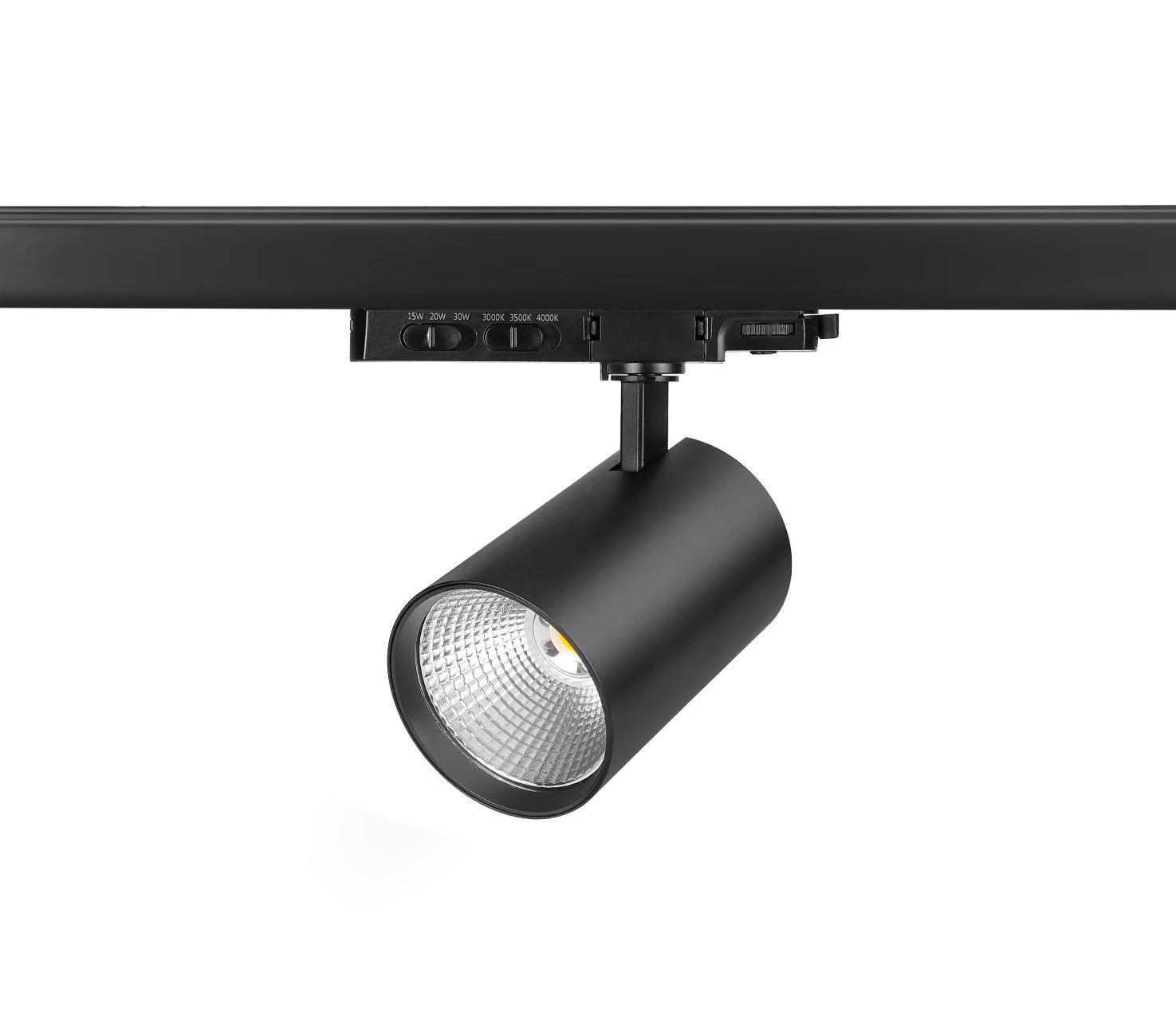
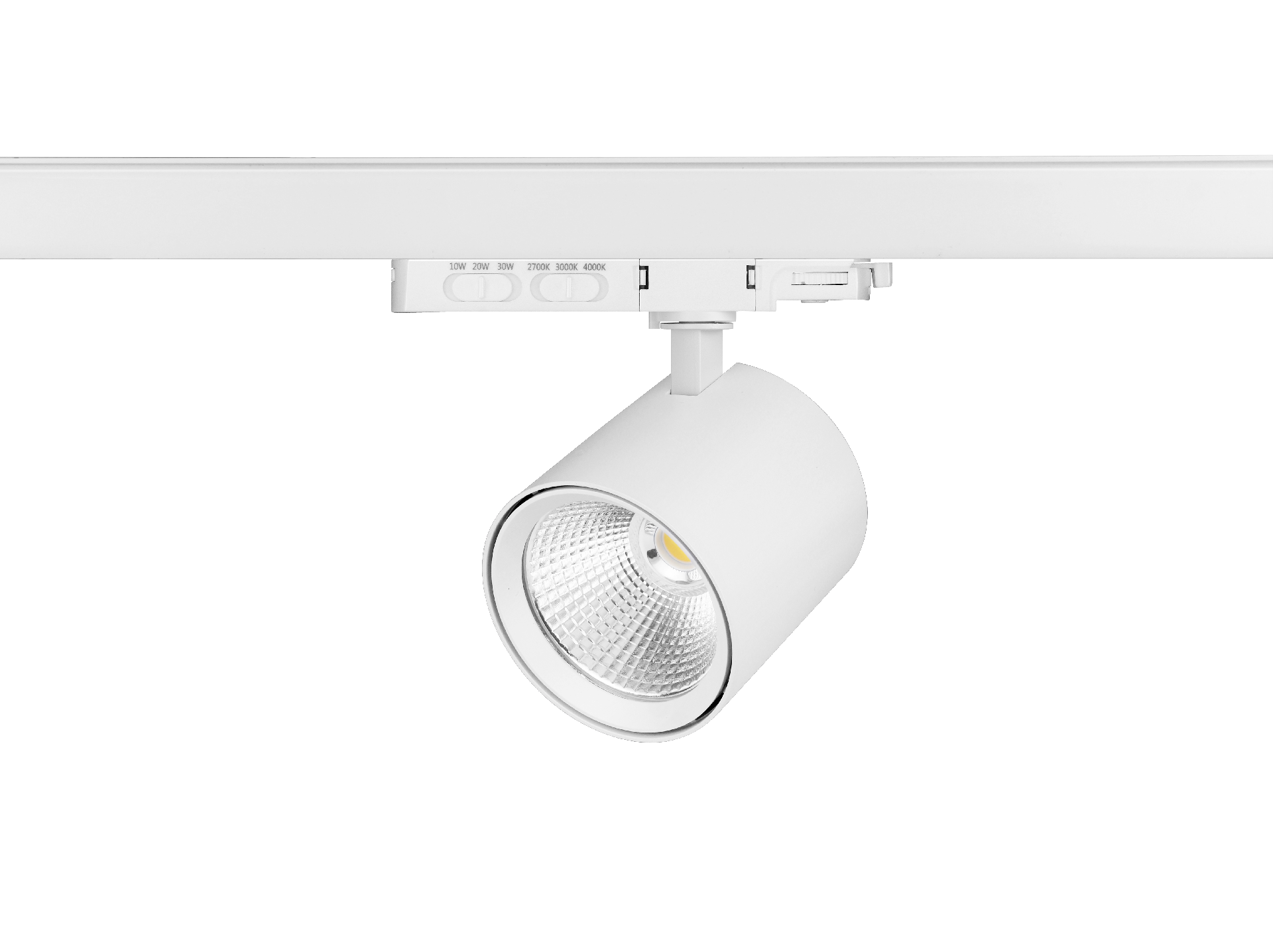
Modern museums increasingly require flexible lighting platforms. Adjustable DALI2 dimming LED track lights can reduce project complexity by offering, multi-power options( 15W-20W-30W switchable, 3CCT adjustable( 2700K-3000K-4000K)
This allows contractors to adapt lighting during installation without replacing fixtures and can switch to the certain one on site. Benefits include:
11. Why Choose Pust Lighting for DALI-2 Dimming Museum Track Lighting Solutions?
For museums, galleries, and professional exhibition projects, Pust Lighting focuses on delivering advanced LED track lighting solutions combining optical excellence, intelligent control, and long-term reliability.
11.1 Professional Color Accuracy for Artwork Presentation
Artwork lighting requires exceptional color reproduction. Pust Lighting museum track lighting solutions provide the track light with CRI95+, 3POWER & 3CCT switchable in one single ligiht.
This enables:
High color accuracy helps visitors experience artwork closer to the artist’s original intention.
11.2 Flicker-Free Driver Technology
Modern museums increasingly create:
Lighting stability is essential.
Pust Lighting integrates flicker-free driver solutions to ensure:
This makes the lighting system suitable for both exhibition viewing and professional documentation.
11.3 DALI-2 Smart Lighting Compatibility
Pust Lighting provides DALI-2 dimmable LED track lighting solutions designed for intelligent lighting environments.
Advantages include:
Individual fixture control
Smooth dimming
Smart building integration
Flexible scene management
Museums can easily adjust lighting according to:
Exhibition themes
Artwork sensitivity
Visitor schedules
11.4 Flexible Zoomable Lighting Solutions
Museum exhibitions are constantly changing.
Pust Lighting offers zoomable LED track lights with adjustable beam angles, allowing designers to modify lighting effects without replacing fixtures.
Typical applications:
Paintings
Sculptures
Gallery walls
Cultural exhibitions
This flexibility reduces long-term operating costs and improves exhibition management efficiency.
12. Future Trends: The Evolution of Smart Museum Lighting
The future of museum lighting will be defined by intelligence, flexibility, and sustainability.
12.1 AI-Based Lighting Management
Future museum lighting systems may integrate artificial intelligence to automatically optimize:
AI-powered lighting management will help museums achieve higher efficiency while maintaining optimal viewing conditions.
12.2 Human-Centered Museum Lighting
Modern lighting design increasingly focuses on visitor experience.
Future systems will adjust lighting based on:
Visitor movement
Time of day
Exhibition requirements
This creates more immersive cultural experiences.
12.3 Sustainable Lighting Solutions
Environmental responsibility is becoming a key consideration for European projects.
Future museum lighting will prioritize:
Higher efficiency
Longer lifespan
Lower maintenance
Smart energy management
DALI-2 LED track lighting perfectly supports this direction.
Conclusion: DALI-2 LED Track Lighting Is the Future of Professional Museum Illumination
Museum lighting has entered a new era.
Modern exhibition spaces require more than simple illumination. They need intelligent systems that combine:
DALI-2 LED track lighting represents the future of smart museum lighting because it provides precise digital control, excellent optical performance, and adaptability for changing exhibitions.
For museum owners, lighting designers, contractors, and distributors, choosing a professional DALI-2 LED track lighting solution means investing in:
✔ Better artwork presentation
✔ Lower operating costs
✔ Improved visitor experience
✔ Future-ready infrastructure
FAQ: DALI-2 LED Track Lighting for Museums
Q1: What are the advantages of DALI-2 LED track lighting for museums?
DALI-2 LED track lighting provides precise digital control, allowing museums to adjust individual fixtures, create lighting scenes, and optimize energy consumption. Unlike traditional dimming systems, DALI-2 supports intelligent communication between fixtures and control systems, making it ideal for museums with changing exhibitions and strict artwork protection requirements.
Q2: Why is DALI-2 better than traditional dimming for museum lighting?
DALI-2 offers individual fixture addressing, smoother dimming, and better system integration compared with TRIAC or 0-10V dimming. Museums can independently control each LED track light, adjust brightness levels accurately, and manage different exhibition areas efficiently. This makes DALI-2 a more flexible and future-proof solution for professional museum environments.
Q3: What CRI is required for professional museum LED track lighting?
Professional museum lighting typically requires CRI95 or higher, while premium galleries often choose CRI98+ solutions. High CRI ensures accurate color reproduction, allowing visitors to see artwork as intended. Additional R9 performance above 90 is important for reproducing strong red tones in paintings and historical collections.
Q4: Are DALI-2 LED track lights suitable for art galleries and exhibitions?
Yes. DALI-2 LED track lights are highly suitable for art galleries because they provide adjustable brightness, precise control, and compatibility with smart building systems. When combined with high CRI, flicker-free drivers, and UV-free LED technology, they provide professional illumination while helping protect valuable artwork.
 Tel.+86 15013617190
 Email:info@pustlux.com