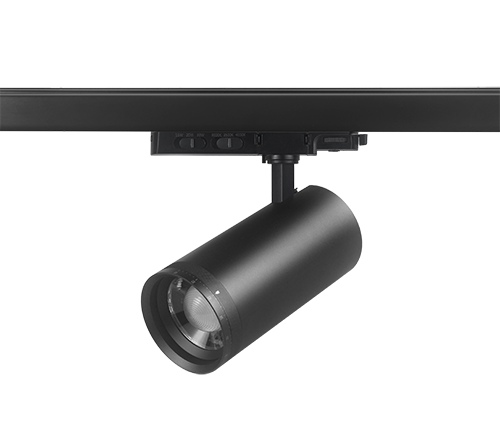
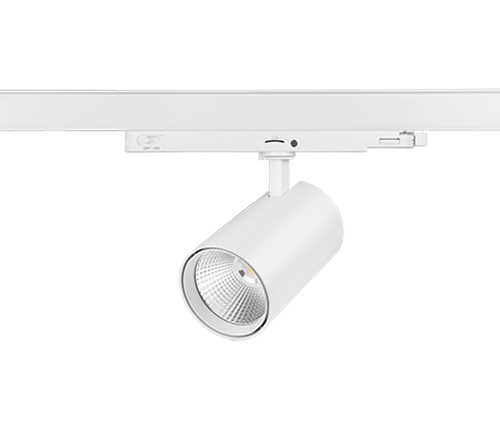
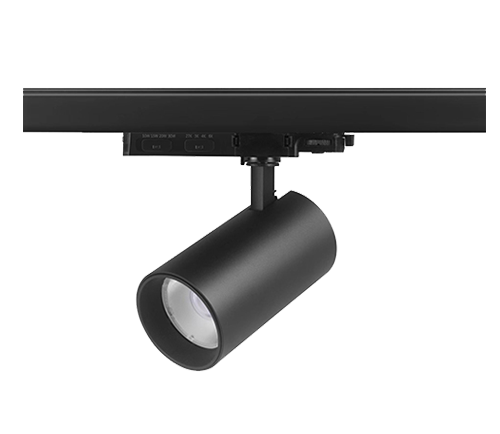
How High CRI LED Track Lights Protect Artwork in Museums: A Complete Guide to Professional Museum Lighting
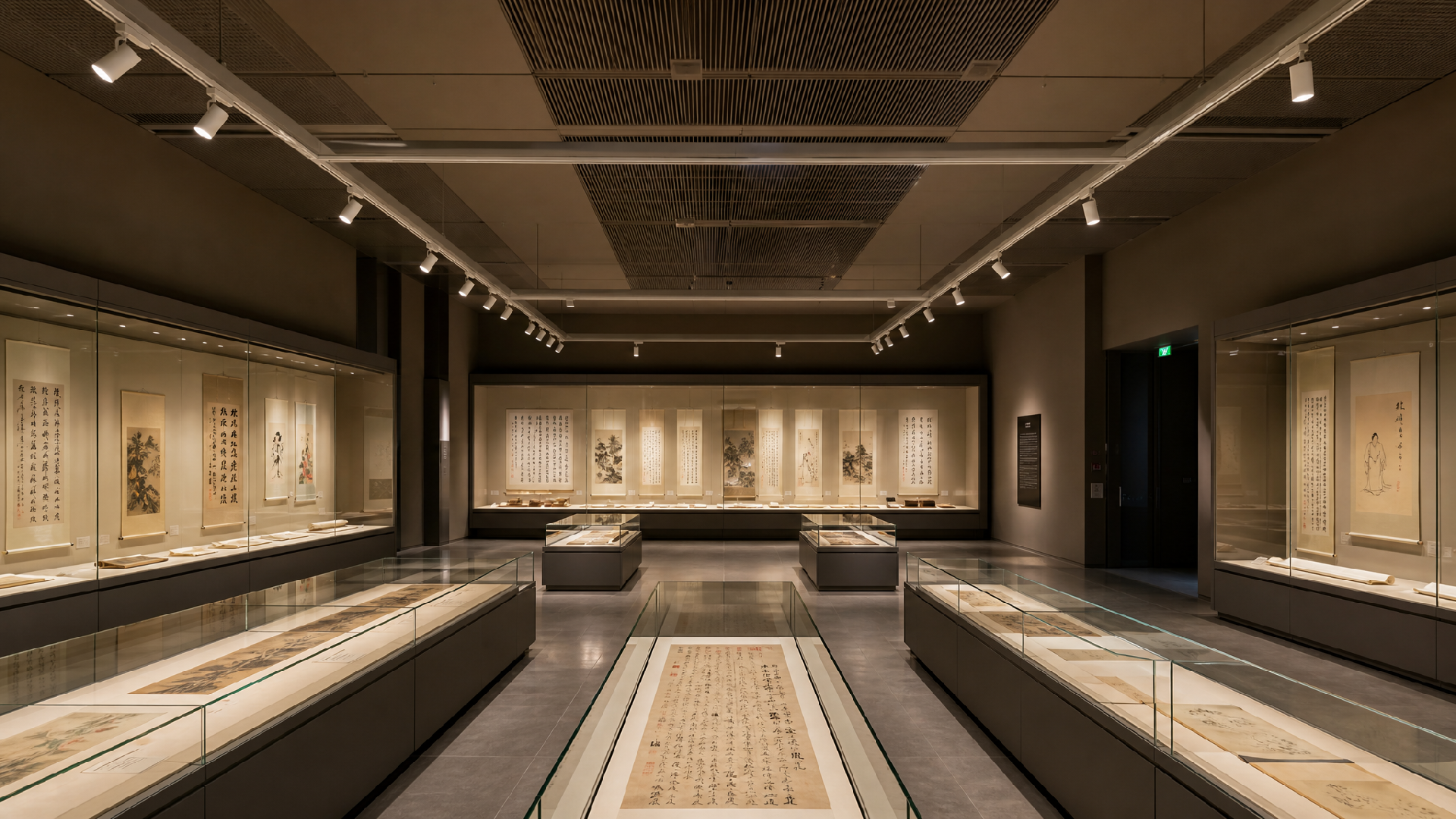
With the development of LED technology, professional museums are increasingly adopting high CRI LED track lights as a safer, more efficient, and more precise lighting solution.
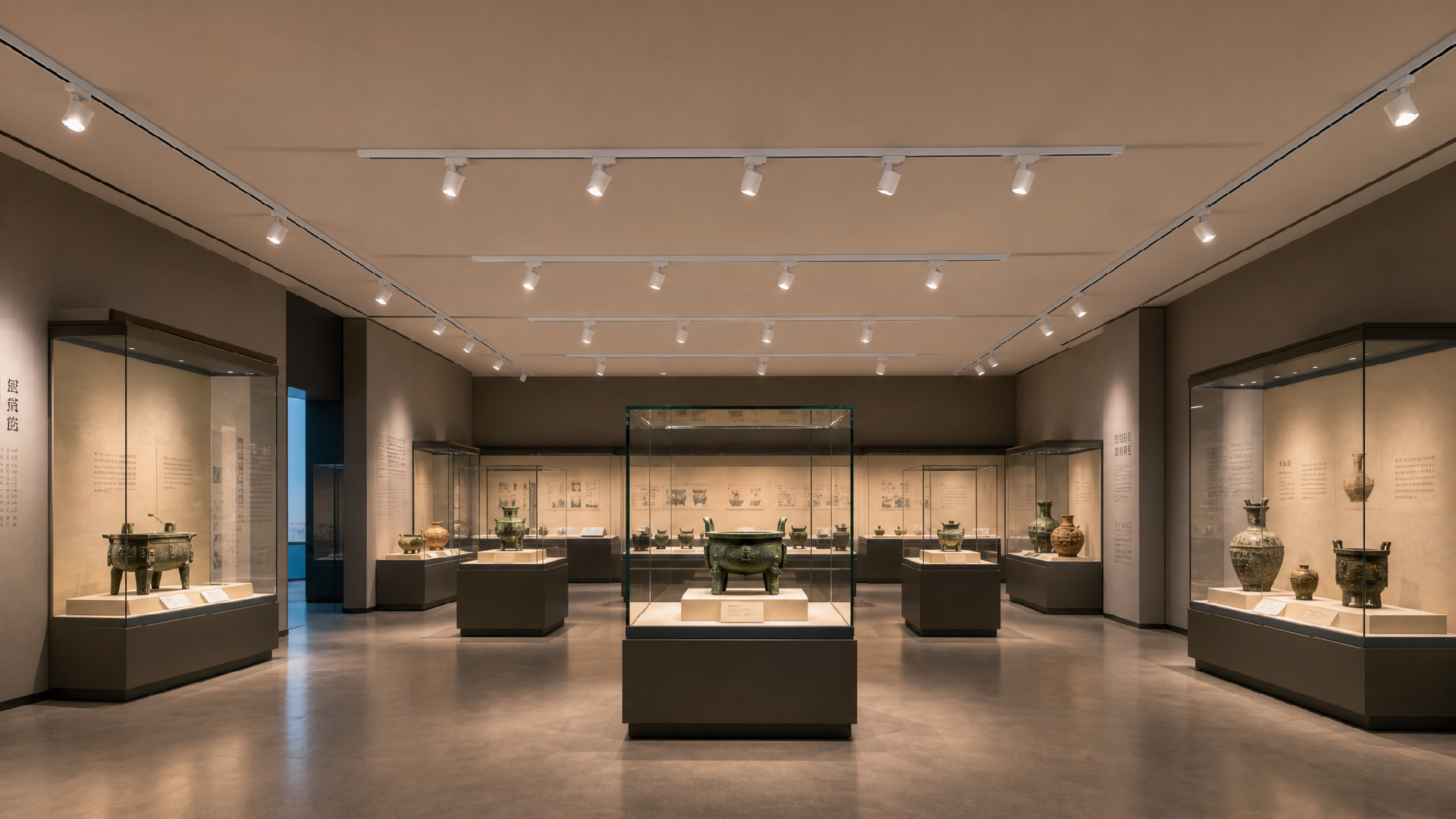
This is why premium museums and galleries are moving toward LED track lighting solutions featuring high CRI and flicker-free. High CRI LED track lights are not only improving the way artwork is displayed—they are helping protect cultural heritage for future generations.
1. Why Color Accuracy Is Critical in Museum Or Exhibition Lighting
1.1 The Relationship Between Light Quality and Artwork Appearance
Every artwork is created with specific colors, materials, and textures. While, what visitors see depends heavily on the quality of the lighting source. Therefore a low-quality LED fixture may produce:
Incorrect color tones
Reduced contrast
Unnatural skin tones
Loss of artistic details
So that's why the demands for led track lights are more highter in the museum lightings and exhibitions lighting.
1.2 Knowing about CRI: The Important Measurement for Museum Lighting
CRI measures how accurately a light source reproduces colors compared with natural sunlight. The scale ranges from 0 to 100.
General applications:
| CRI Level | Application |
|---|
| CRI 70-80 | Basic industrial lighting |
| CRI 80-90 | Commercial lighting |
| CRI 90-95 | Premium retail lighting |
| CRI 95+ | Professional galleries |
| CRI 98+ | Museum and exhibition lighting |
For museums, high CRI performance is essential because artwork often contains complex color combinations that require precise reproduction to light up the artworks.
2. Why CRI 95+ LED Track Lights Are Preferred by Professional Museums
2.1 Beyond Brightness: True Visual Restoration for visitors
Many buyers mistakenly believe that higher brightness means better artwork lighting. However, excessive brightness without accurate color reproduction can damage the viewing experience. Professional museum lighting focuses on color accuracy, lighting balance and spectrum quality to create a better viewing experience for visitors and also to protect the artworks. A CRI95 LED track light provides closer reproduction to natural daylight, allowing visitors to experience the origianl colors, the artistic details of the artworks,
2.2 The Importance of R9 Value in Artwork Display
While CRI is important, professional lighting buyers should also evaluate R9 performance. R9 measures the ability of a light source to reproduce strong red colors.
This is particularly important for:
Portrait paintings
Historical artwork
Textiles
Traditional crafts
Many standard LED products achieve acceptable CRI values but have poor R9 performance. For museum applications, an ideal lighting solution should provide:
Pust Lighting professional led CCT track lights are designed with these specifications to ensure:
3. How High CRI LED Track Lights Help Protect Artworks
3.1 Reducing Color Fading Through Better Spectrum Control
Artwork degradation is often related to long-term exposure to unsuitable light sources. Sensitive materials include:
Paper
Fabric
Paint pigments
Photographs
High-quality LED track lights provide advantages through controlled spectrum output. Compared with traditional lighting technologies, professional LED systems offer:
This reduces potential risks associated with long-term exhibition lighting.
3.2 UV-Free LED Technology for Cultural Heritage Protection
Ultraviolet radiation is one of the major causes of artwork deterioration. UV exposure may lead to:
Pigment breakdown
Material discoloration
Surface damage
Faded
Modern museum LED lighting solutions are designed with UV-free technology in order to:
✔ Reduce artwork aging
✔ be safer long-term exhibition
✔ be better preservation conditions
For museums managing valuable collections, UV-free lighting is becoming a standard requirement.
3.3 Lower Heat Output Compared with Traditional Lighting
Heat is another factor that affects artwork preservation. Traditional halogen lamps produce significant radiant heat, which can increase the temperature around displayed objects.
The morden multi-functional CCT LED track lights provide:
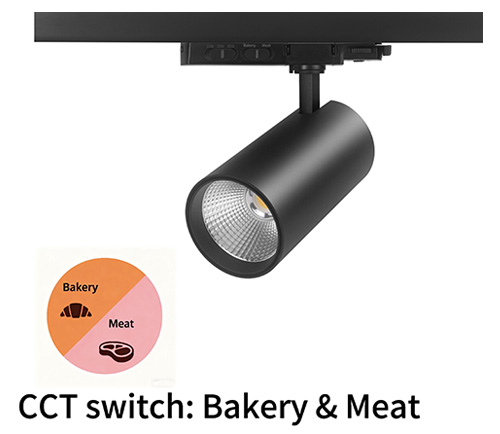
Which will maintain stable operation, change the color according to the environments without re-arrangement and replacing the lighting products.
4. Why Flicker-Free LED Track Lighting Matters for Museums and Artwork Photography
4.1 The Hidden Problem of LED Flicker in Exhibition Spaces
When selecting museum lighting, many buyers focus on visible performance:
Brightness
Color temperature
Beam angle
Appearance
However, one critical factor is often overlooked: flicker performance. LED flicker refers to rapid fluctuations in light output caused by unstable drivers or poor electrical designs. Although some flicker may not be visible to the human eye, it can still influence:
Professional photography
Video recording
Visitor visual comfort
For modern museums, this is an increasingly important consideration because exhibitions are no longer limited to physical visitors. Many museums now create:
Therefore, poor-quality lighting can negatively affect digital content production and online whatching experience.
5. Anti-Glare Design: Creating Comfortable Viewing Experiences
5.1 Why Glare Control Is Important in Museums
Museum lighting has two goals:
Highlight artwork effectively
Ensure comfortable viewing for visitors
Poorly designed LED track lights may create excessive glare, reducing the overall exhibition experience. Therefore, professional gallery lighting requires advanced optical design to create a comfortable viewing environment.
6. Choosing the Right Beam Angle for Different Artwork Types
Beam angle selection directly affects how artwork appears. Different exhibits require different lighting approaches.
Recommended Beam Angle Guide
| Beam Angle | Recommended Application |
|---|
| 15° Narrow Beam | Small paintings, sculptures, detailed objects |
| 24° Medium Beam | Portraits and standard artwork |
| 36° Wide Beam | Large paintings and wall displays |
| 60° Flood Beam | Large exhibition areas |
6.1 Why Zoomable LED Track Lights Are Becoming Popular for artworks lighting
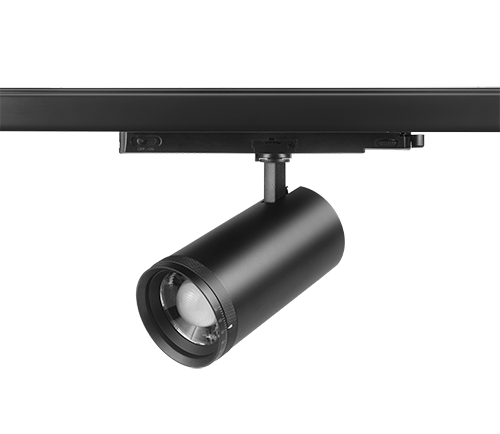
Traditional fixed beam lighting creates limitations. A museum exhibition may change every few months. Therefore, a better lighting solution's emerging- zoomable track light-to solve the problem of replacing the lighting fixtures every single time an exhibition changes. This zoomable LED track lights allow users to adjust the beam angle from 15-55 degree on site, which is more efficient, convenient and multi-functional, one fixture can support multiple application.
Advantages include:
Reduced replacement costs
Faster exhibition adjustments
Lower inventory requirements
Greater design flexibility
7. Technical Specifications for Museum High CRI LED Track Lights
Professional museums require higher standards than normal commercial projects. The following specification guide helps architects, contractors, and lighting designers select suitable products.
Museum LED Track Lighting Specification Table
| Parameter | Recommended Requirement |
|---|
| LED Technology | High-quality COB LED |
| Color Rendering Index | CRI >90 |
| Red Color Rendering | R9 >65 |
| Flicker Performance | Flicker-free driver |
| UV Output | UV-free |
| Color Consistency | SDCM <3 |
| Efficiency | 100lm/W+ |
| Beam Angle | 15°-60° adjustable |
| Dimming Options | DALI-2 / TRIAC / 0-10V |
| Lifespan | 50,000 hours+ |
| Housing Material | Cold-forging Aluminum heat dissipation |
| Installation | Track-mounted spotlight |
8. Fixed Beam LED Track Lights vs Zoomable LED Track Lights for Museums
When planning museum lighting systems, designers often need to decide between fixed beam and adjustable beam solutions.
Comparison Table
| Feature | Fixed Beam LED Track Light | Zoomable LED Track Light |
|---|
| Beam Adjustment | No | Yes |
| Exhibition Flexibility | Limited | Excellent |
| Suitable for Changing Displays | Moderate | High |
| Installation Cost | Lower initial cost | Better long-term value |
| Artwork Types | Specific applications | Multiple applications |
| Future Adaptability | Limited | Strong |
Why Professional Museums Prefer Flexible Lighting Systems
A flexible lighting system reduces operational complexity. With zoomable LED track lights, museums can adjust without replacing the lighting infrastructure:
Light direction
Beam width
Display focus
9. Why Choose Pust Lighting for High CRI Museum LED Track Lighting Solutions?
For museums, galleries, and exhibition projects, lighting is not only a hardware selection—it is a long-term investment in artwork preservation, visitor experience, and operational efficiency.
Choosing the right lighting manufacturer requires more than comparing prices. Professional buyers need a supplier that understands:
Museum lighting standards
Artwork protection requirements
Optical performance
Smart control integration
International project requirements
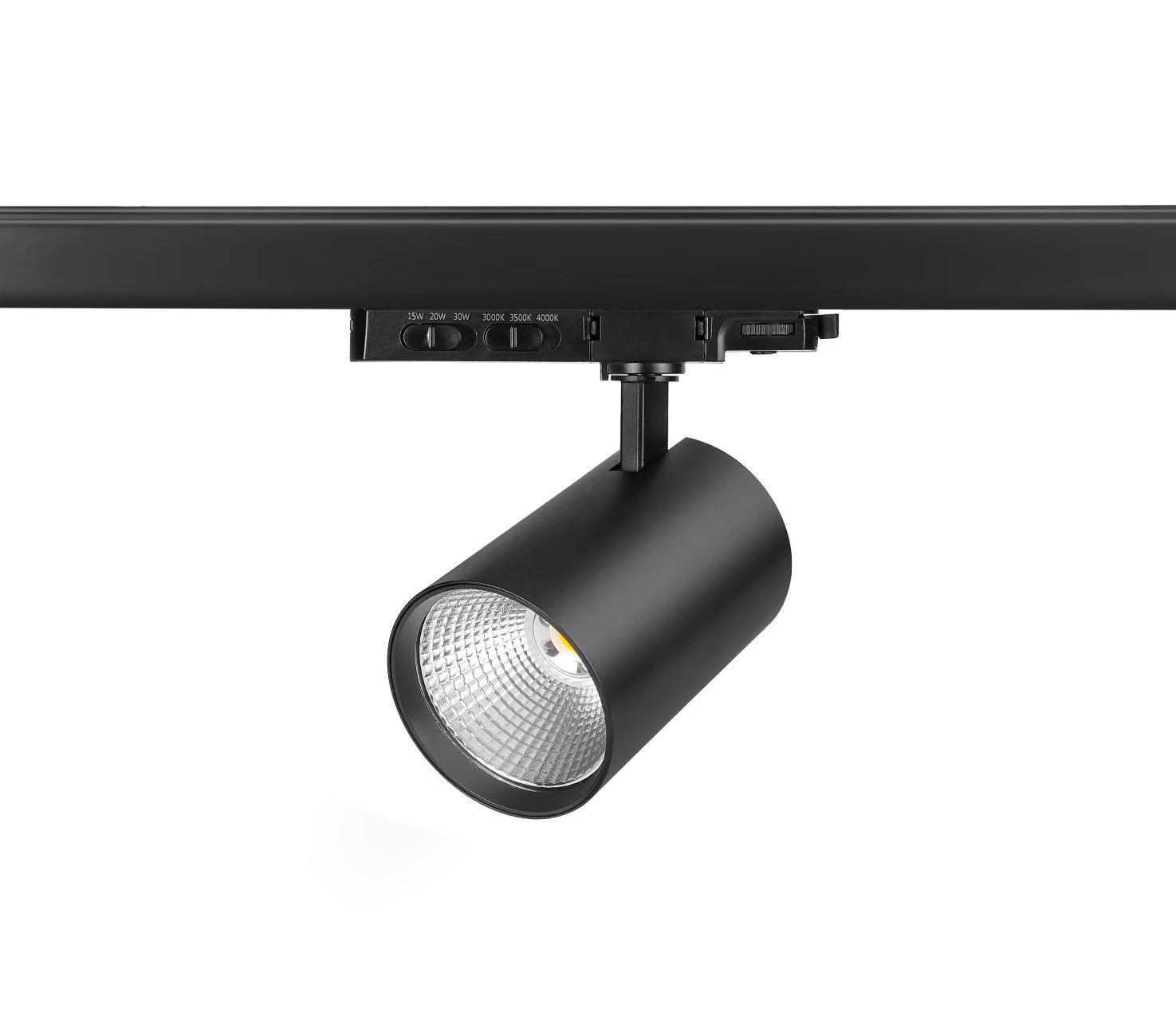
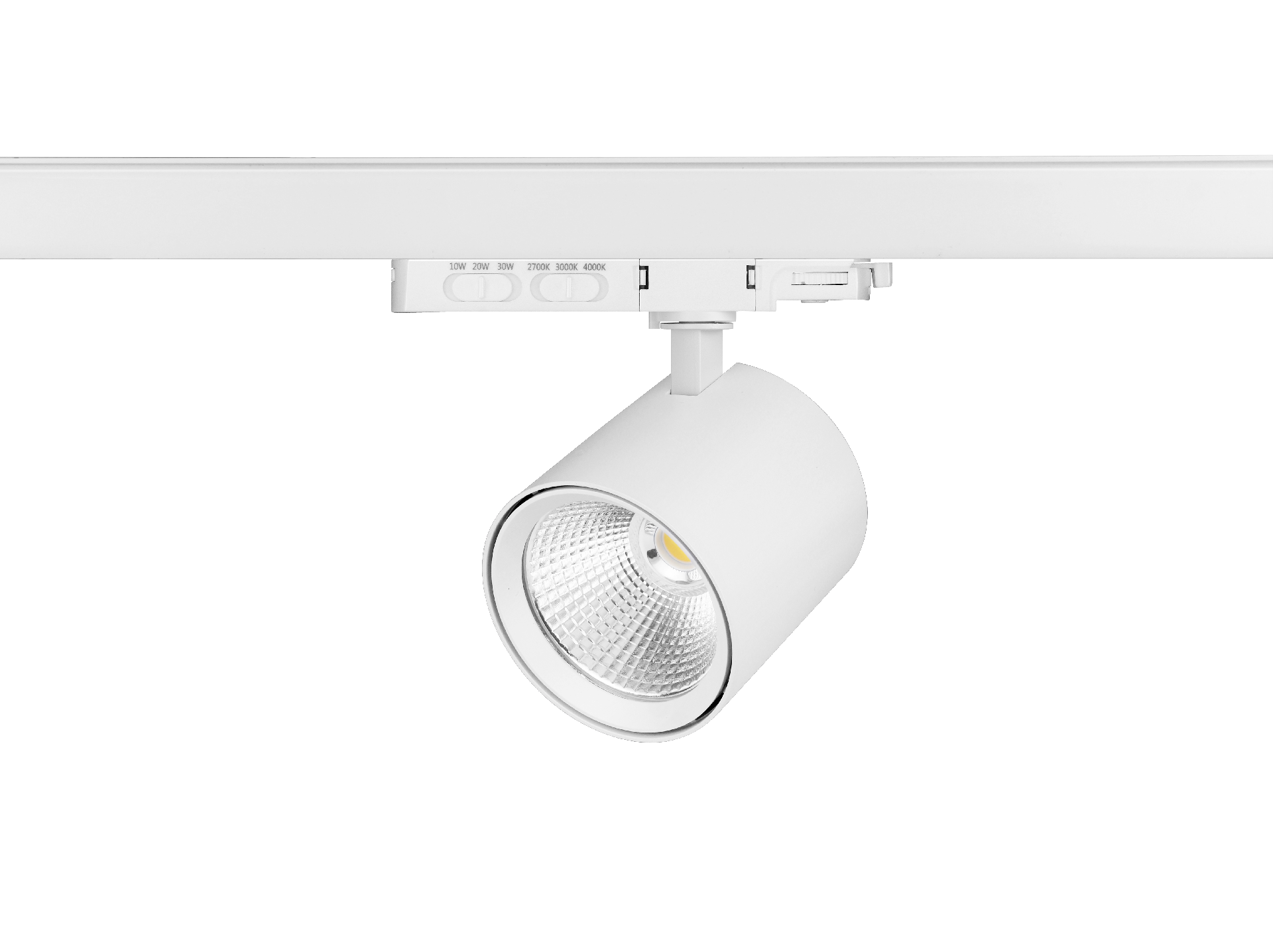
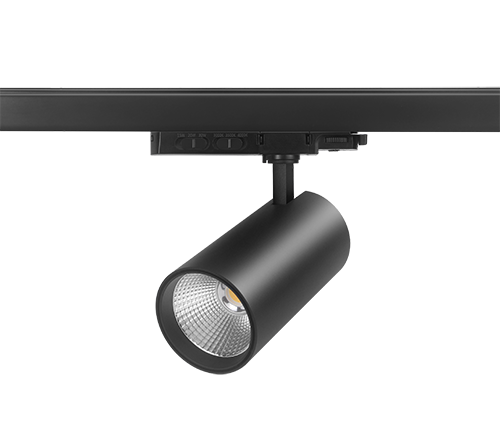
Pust Lighting focuses on providing professional 3POWER & 3CCT adjustable LED track lighting solutions designed for demanding commercial and cultural applications.
9.1 Ultra-High Color Accuracy for Professional Artwork Presentation
The most important requirement for museum lighting is accurate color reproduction. A lighting system should allow visitors to see artwork as close as possible to the artist’s original intention.
Pust Lighting high CRI LED track lights are designed with CRI 90+ and 3POWER 3CCT switchable integrated into one single fixture. These specifications will provide:
Excellent color fidelity
Natural skin tone reproduction
Rich red color performance
Accurate material appearance
The unique functions makes them suitable for:
9.2 Flicker-Free Driver Technology for Stable Museum Illumination
Modern museums increasingly require professional photography and digital content creation. A lighting system must provide stable output for:
Artwork photography
Video recording
Online exhibitions
Digital archives
Pust Lighting integrates flicker-free driver technology to ensure:
This helps museums achieve both excellent visitor experiences and professional documentation results.
9.3 Advanced Thermal Management for Long-Term Reliability
Museum lighting systems often operate for many hours every day. Therefore, thermal management directly affects:
LED lifespan
Color stability
Maintenance frequency
Pust Lighting LED track lights use optimized heat dissipation structures to support:
A reliable thermal design helps ensure that lighting performance remains consistent years after installation.
9.4 Flexible Optical Design for Different Exhibition Requirements
Every exhibition has different lighting requirements. A historical painting exhibition may require focused accent lighting. A sculpture exhibition may require wider illumination. A temporary exhibition may need frequent adjustments.
Pust Lighting provides flexible solutions including:
Adjustable beam angles
Zoomable LED track lights
Different wattage options
Multiple color temperature switchable
3POWER ranges adjustable
These allow lighting designers and contractors to create customized solutions for different spaces.
10. OEM and Project Customization Capability for Global Lighting Partners
For international distributors, contractors, and lighting brands, customization capability is becoming increasingly important. A professional OEM lighting partner should provide:
Product Customization
Including:
Housing design
Logo branding
Packaging solutions
Special specifications
Optical Customization
Including:
Beam angle selection
Lens optimization
High CRI LED options
Electrical Customization
Including:
This flexibility allows lighting companies and project contractors to develop solutions that match different market requirements.
11. Why High CRI LED Track Lighting Is the Future of Museum Illumination
The future of museum lighting is moving forward, so the lighting products also need to be updated accordingly.
11.1 Higher Color Accuracy Standards
As visitor expectations increase, museums require more realistic artwork presentation. Future professional lighting will increasingly adopt:
12.2 Intelligent Lighting Management
Smart control systems will become standard in modern museums.Updated lighting systems will integrate:
DALI-2 control
Zoomable optics
Adjustable power
Adjustable CCT
Modular designs
Flexible LED track lighting reduces renovation costs and improves exhibition management.
Conclusion: High CRI LED Track Lights Are Essential for Protecting and Presenting Artwork
Museum lighting has evolved from simple illumination into a professional system combining:
Artwork preservation
Color accuracy
Visitor experience
Energy efficiency
Intelligent control
For museum owners, architects, lighting designers, and electrical contractors, selecting the right high CRI LED track lighting supplier is a strategic decision that influences both current exhibition quality and long-term operational value.
FAQ About High CRI LED Track Lights for Museum Lighting
Q1: Why do museums need high CRI LED track lights?
Because artwork contains complex colors and details that standard lighting cannot accurately reproduce. A CRI90+ lighting system provides natural color presentation, allowing visitors to experience paintings and artifacts closer to their original appearance while supporting professional photography and digital documentation.
Q2: Can LED track lights damage paintings and historical artwork?
High-quality LED track lights are considered safe for artwork when they use UV-free technology, controlled spectrum output, and low heat design. Compared with traditional halogen lighting, professional LEDs generate significantly less UV radiation and heat, reducing risks such as pigment fading, material aging, and surface deterioration.
Q3: What CRI value is recommended for museum LED lighting?
For professional museums and galleries, CRI95 or higher is recommended, while premium exhibition projects often choose CRI95+ LED track lights. In addition to CRI, buyers should consider R9 performance because strong red color reproduction is essential for paintings, portraits, textiles, and cultural artifacts.
Q4: Why is flicker-free lighting important for museum exhibitions?
Flicker-free LED lighting is important because museums increasingly use photography, video recording, and digital archives. Unstable lighting can create camera issues and affect image quality. Flicker-free drivers provide stable illumination, improve visitor comfort, and ensure accurate digital reproduction of artwork.
Q5: Are zoomable LED track lights suitable for changing museum exhibitions?
Yes. Zoomable LED track lights are ideal for museums because exhibitions frequently change layouts and artwork types. Adjustable beam angles allow lighting designers to modify the focus area without replacing fixtures. This reduces maintenance costs and provides long-term flexibility for different exhibition requirements.
 Tel.+86 15013617190
 Email:info@pustlux.com